
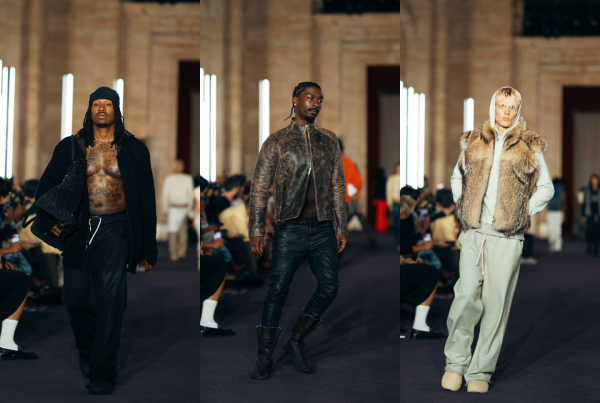
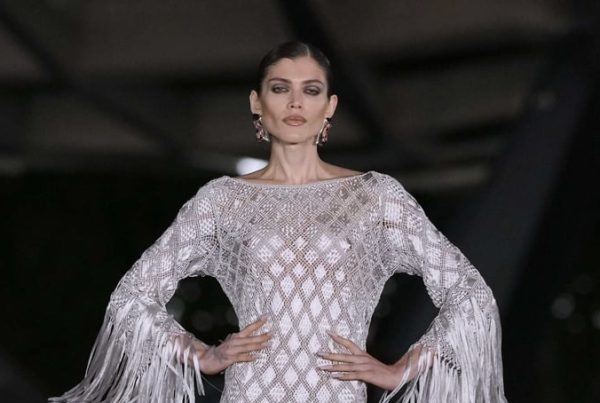
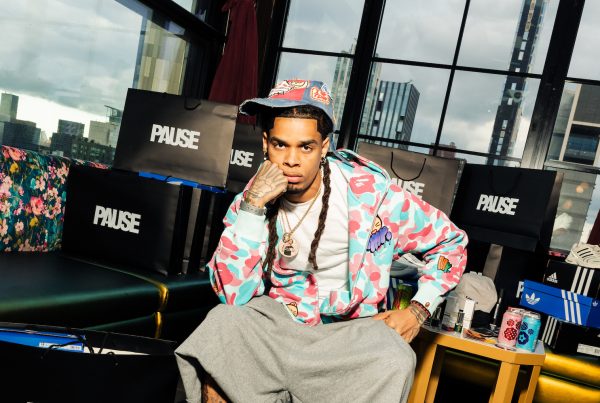
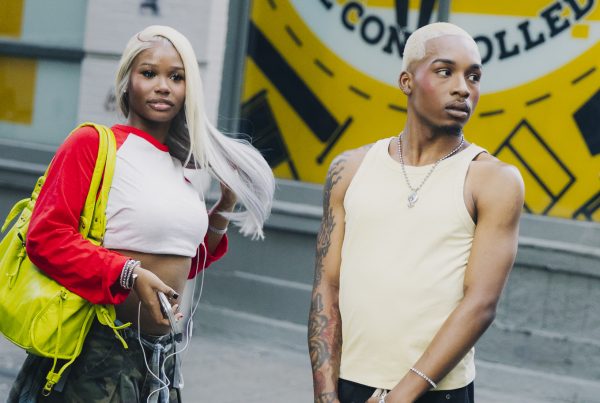

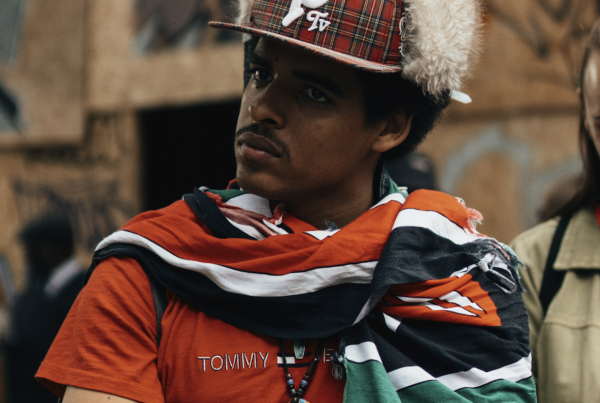
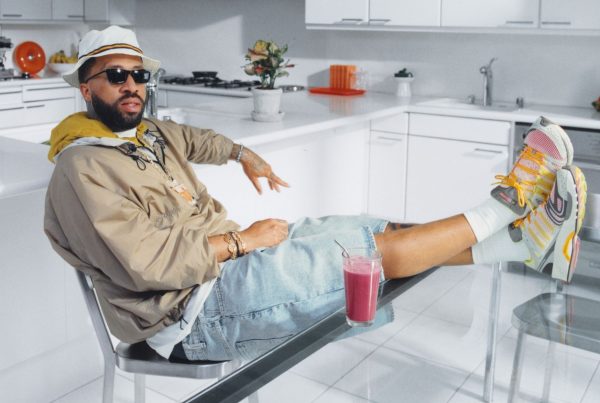
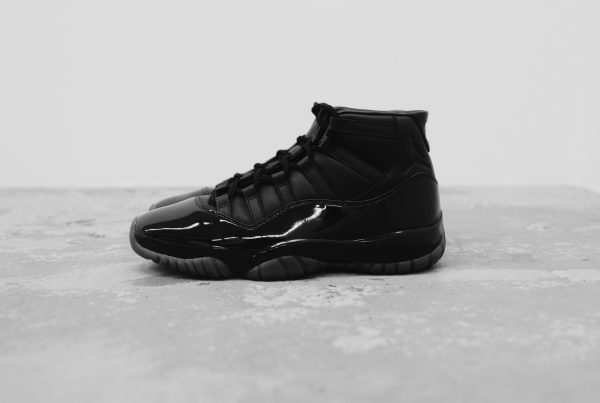














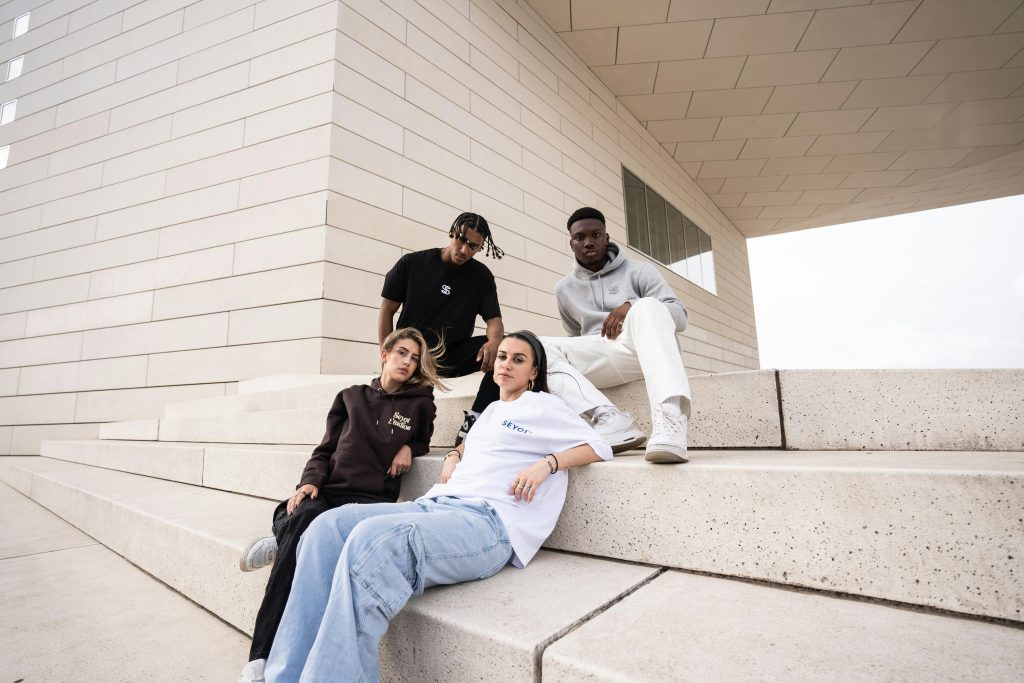
 There’s a quiet revolution happening in streetwear, and it doesn’t involve a drop, a queue, or a Supreme box logo. It’s happening in the negative space — in the pieces with no branding, no obvious flex, and no need for external validation. Logo fatigue is real, and in 2026, the most discerning dressers have already moved on.
The shift isn’t sudden. It’s been building through seasons of oversaturation, of seeing the same monogram on every chest, the same collab on every feed. When everything screams for attention, silence becomes the loudest statement in the room.
Why Logo Fatigue Is Finally Winning
Streetwear built its culture on exclusivity — limited drops, visible branding, and the social currency of recognition. But overcrowding in logo-centric streetwear has diluted that exclusivity to near zero. When a graphic tee is ubiquitous, it stops being a signal of anything meaningful.
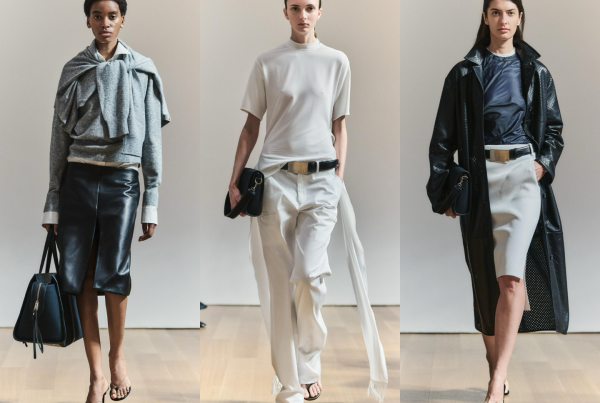
What’s emerged in its place is a preference for restraint. Clean lines, neutral palettes, subtle detailing — these aren’t just aesthetic choices, they’re ideological ones. Dressing without a logo forces the outfit to do the actual work, and that’s a harder, more interesting challenge.
The Brands Quietly Dropping the Hype
Independent labels have been leading this charge for a while now, prioritising creative integrity over hype-driven marketing cycles. They’re building pieces that speak through construction and fabric rather than through a recognisable wordmark stitched across the chest.
This cultural shift mirrors a broader consumer mindset around opting out of systems that demand you prove yourself upfront. Interestingly, that same logic is showing up elsewhere — people who want to play without identity verification in the UK are making a comparable choice: rejecting the idea that participation requires constant credential display. Authenticity, in fashion and beyond, increasingly means demanding less performance from yourself just to enter the room.
Anonymity as a Statement in Daily Dressing
Label-free dressing isn’t minimalism for minimalism’s sake — it’s a refusal to let a brand own your identity. When you strip away the logo, you’re left with your actual taste, your eye for proportion, your understanding of fit. That’s a much harder thing to fake.
According to analysis of UK streetwear trends, clean designs dominated last year’s streetwear landscape, with neutral tones and restrained detailing positioning unbranded pieces as markers of genuine authenticity. This tracks with what’s happening at retail level too — research into independent streetwear brands shows that labels emphasising creative restraint over hype cycles are reshaping how global streetwear is consumed and understood.
When Opting Out Becomes the Real Flex
There’s a certain confidence required to walk into a room in something nobody recognises. No instant brand shorthand, no borrowed clout. Just the clothes and the person wearing them. That’s the real flex — knowing your fit is tight without needing anyone else to confirm it.
The numbers reflect this cultural hunger for quality over noise. According to UK fashion industry data, the UK apparel market generated approximately £68.7 billion in revenue by the end of 2025 — and within that landscape, the growing share captured by versatile, unbranded athleisure-streetwear hybrids tells its own story. Consumers are spending more intentionally, chasing pieces that last rather than logos that trend.
Anonymous dressing is ultimately an act of confidence dressed up as restraint. It says you don’t need the co-sign, you don’t need the drop, and you definitely don’t need anyone to read your chest to understand your taste. The identity was always yours — the logo was just in the way.