







PAUSE Insider:
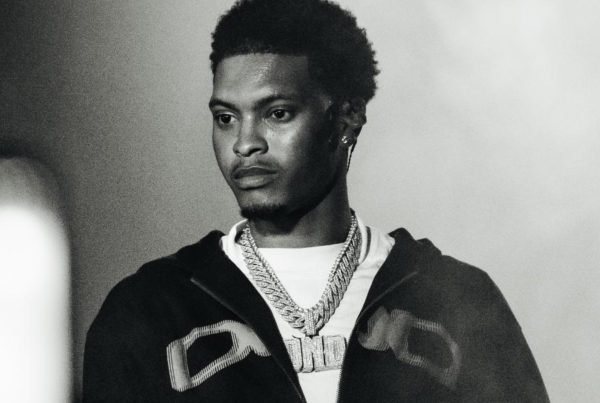
George Heaton
Featured: George Heaton // @georgeheaton
Photographer: Ollie Ali //@mrollieali
Videographer: Kobe Boateng // @kobeboateng
Assistant Photographer: Scarlett Fullbright // @xtra.jpg
Interview: Johnson Gold // @johnson_gold
“A brand with a clear direction of who they are and what they stand for usually stands the test of time.”
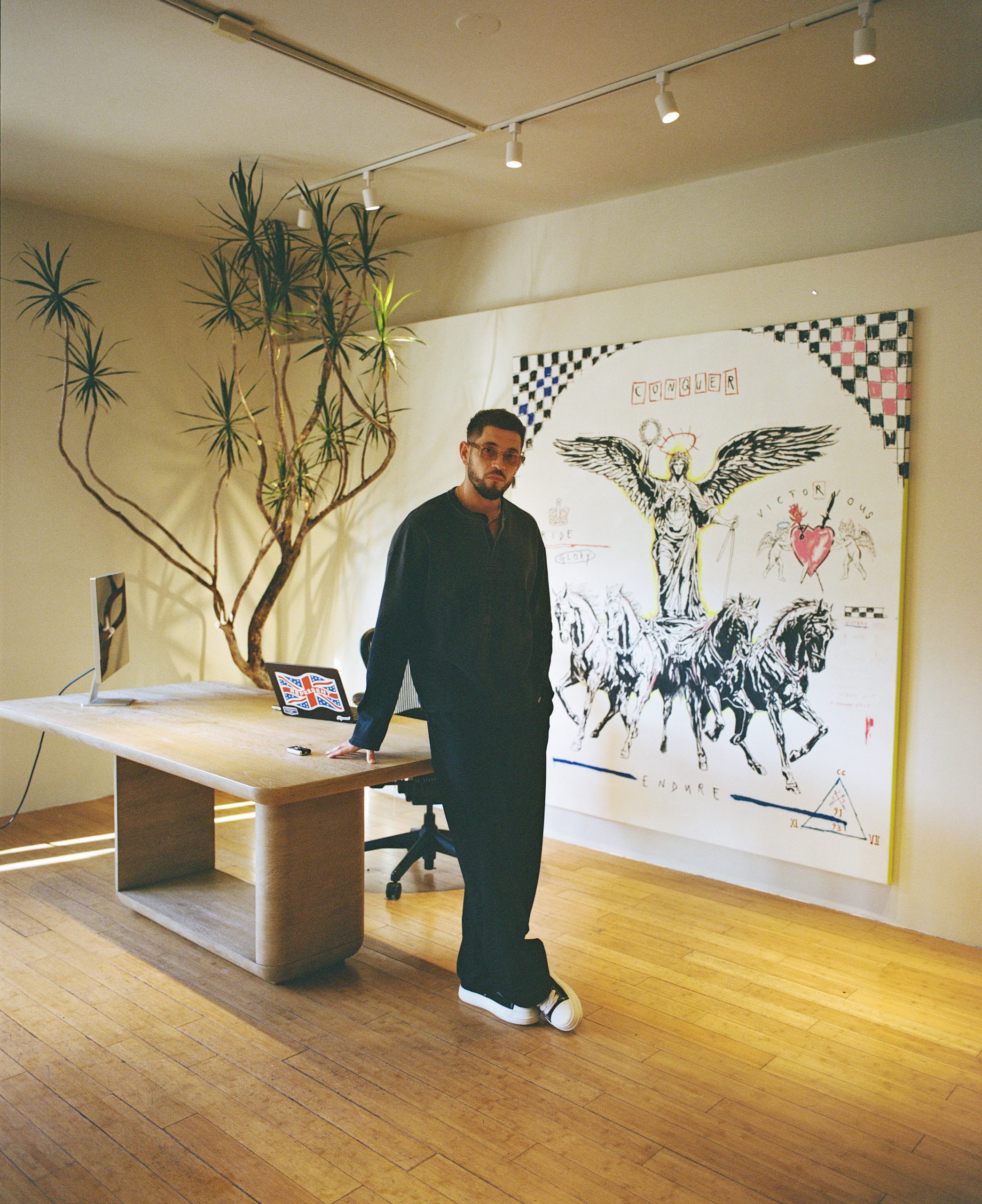
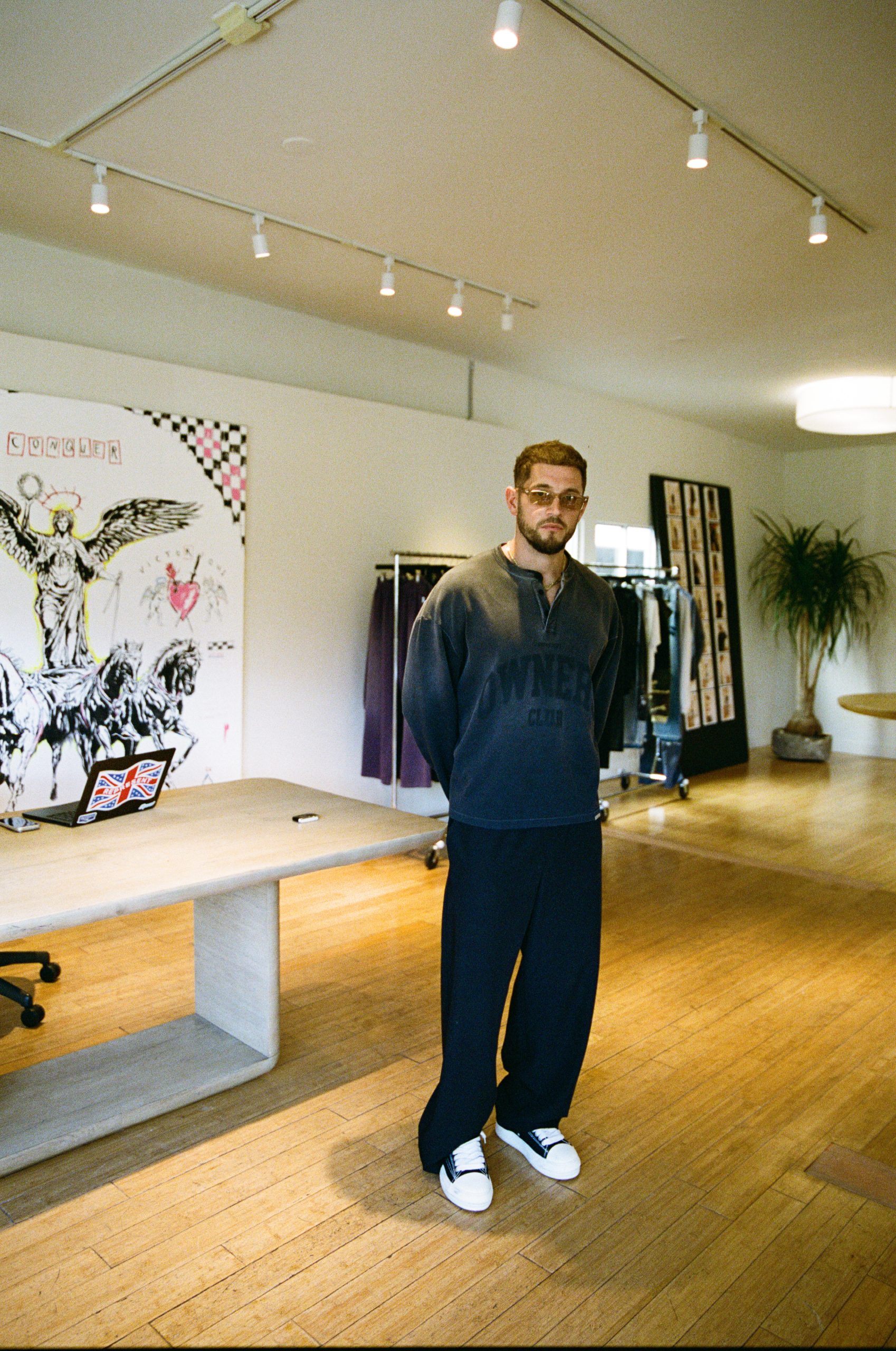
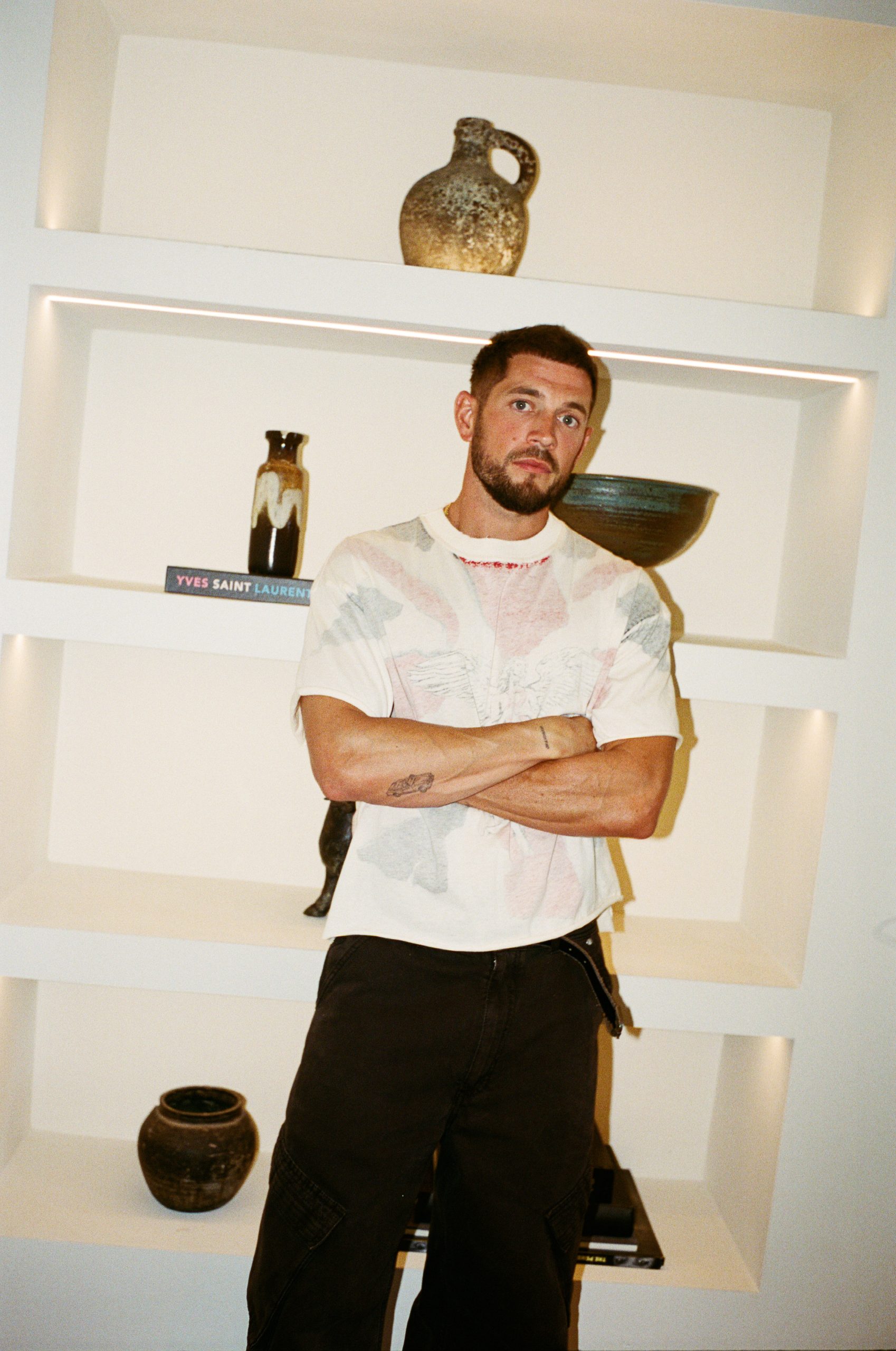
We’ve watched Represent grow from a Manchester brand into a global name, so when George Heaton invited PAUSE into his LA home, we didn’t think twice.
Introducing PAUSE Insider, our chance to step into someone’s world, follow their day, and get to know the person behind the brand.
George and his brother started Represent 15 years ago. Now George is based in LA, running a business that still operates in the UK alongside a new store, office and team in America. We caught him at home, on the road and on the shop floor to talk about the move, managing two teams across two time zones, staying sane as a founder, and his honest tips for anyone building a brand today.
Check out the interview below.
PAUSE: Walk us through your actual morning. What does George look like before George the founder shows up?
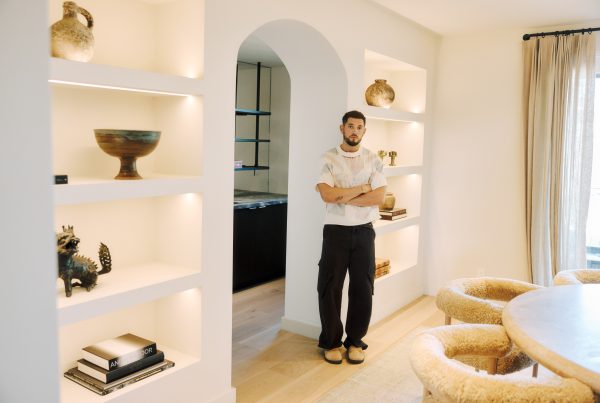
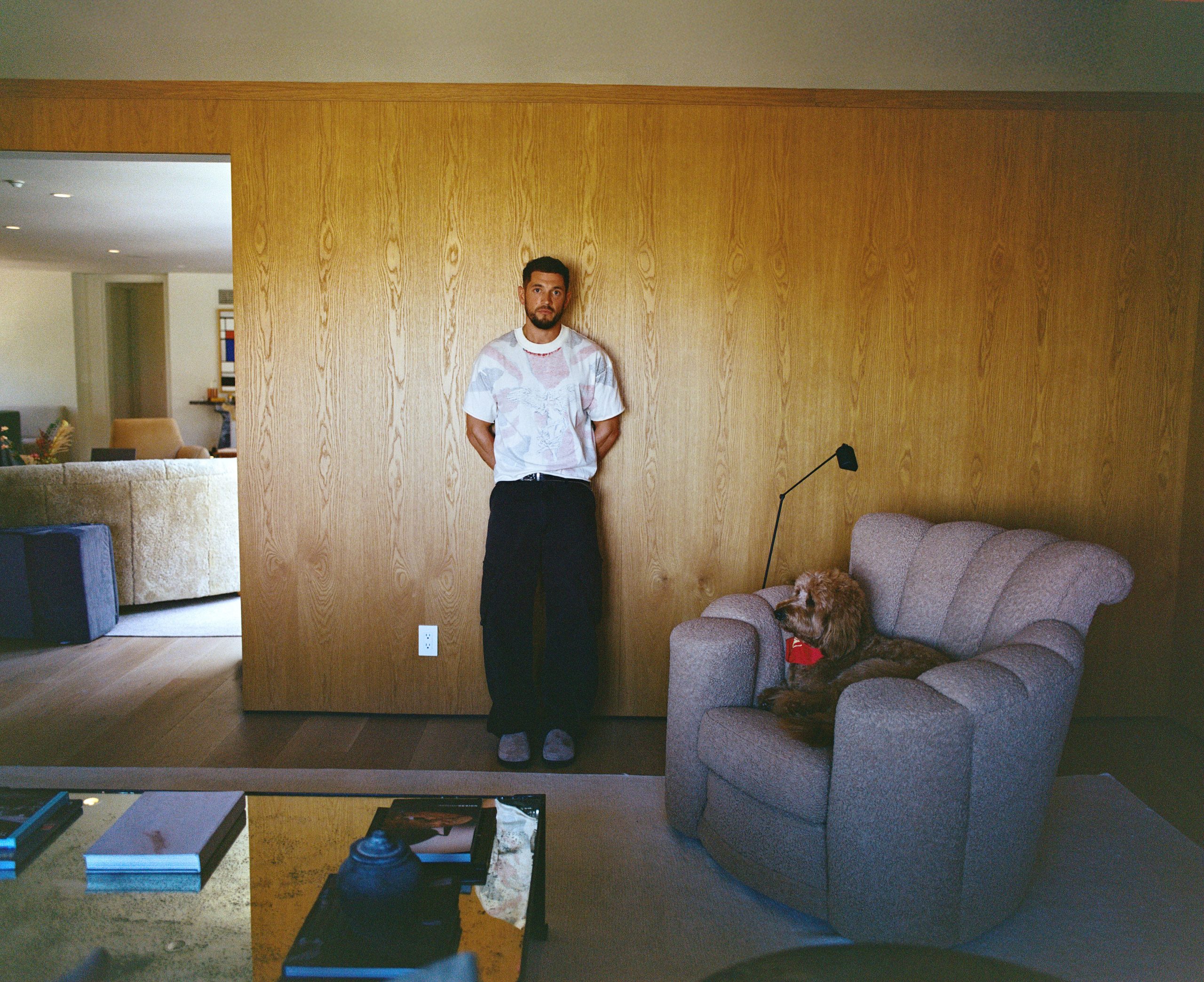
George: Man, it’s different out here in LA. I’ve done quite a lot of content on what my daily routine looked like in the UK. But out here, because we’re eight hours behind the UK and my business is in the UK, as soon as I wake up, I’m at work. So it’s 5am wake-up calls and I’m in the office by 6am. That hour in between means coming down, taking the dog out, getting him fed, getting a little coffee in me and driving straight to work. It’s pretty simple.
PAUSE: If you had to pick one thing every founder should have in their home, what would it be and why?
George: It’s got to be an Eight Sleep mattress. It cools you down when you’re in bed. Especially out here in California, you get warm nights, so keeping it cool means you get a better sleep.
PAUSE: Everyone talks about the hustle. What’s something you’ve had to unlearn about grinding non-stop to keep yourself sane while running Represent?
George: I was definitely stuck in that era of hustle culture and monk mode for a long time. Freeing myself from that meant taking a big leap and actually moving across to America.
PAUSE: Tell us about life in LA. The pace, the space, the lifestyle — how has it changed you as a founder compared to how you operated in the UK?
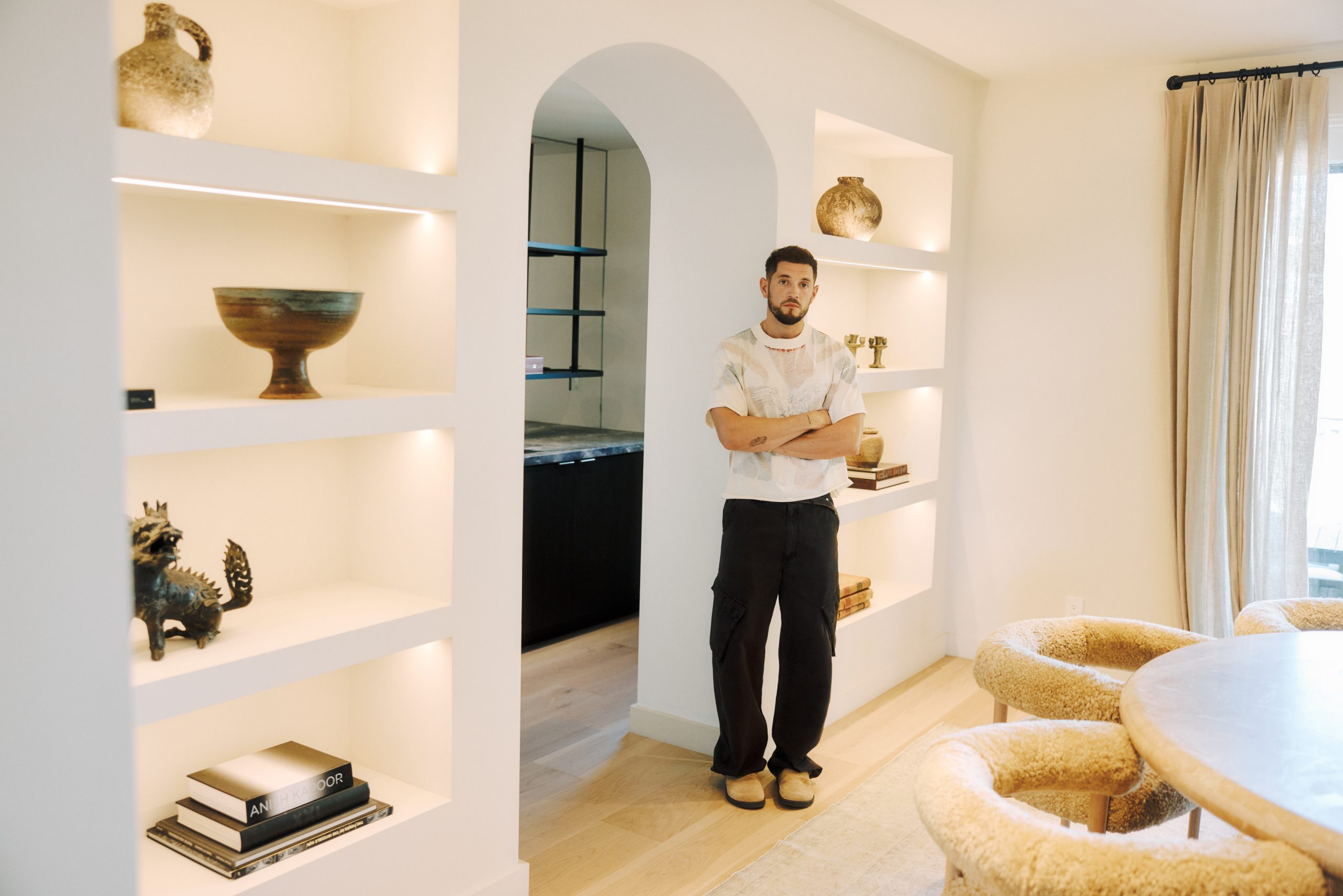
George: Like I mentioned about the time zone, it means I’m able to free up my afternoons and my nights. I like to spend a lot of time with my girlfriend and the dog, getting out, doing hikes, hitting the gym — things I wasn’t used to doing at night when I was in the UK. It was always work mode. Now I get a little break, kind of daily.
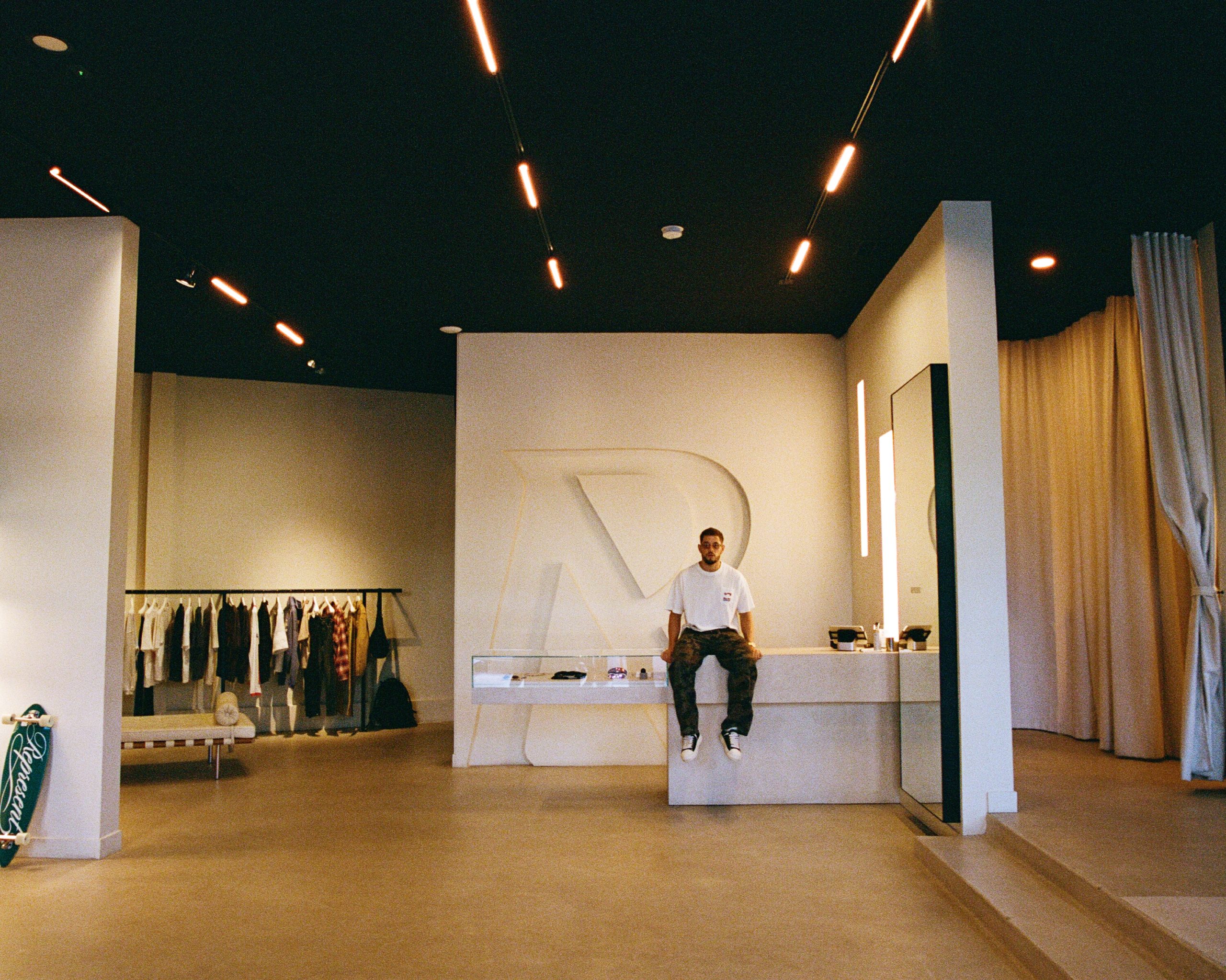
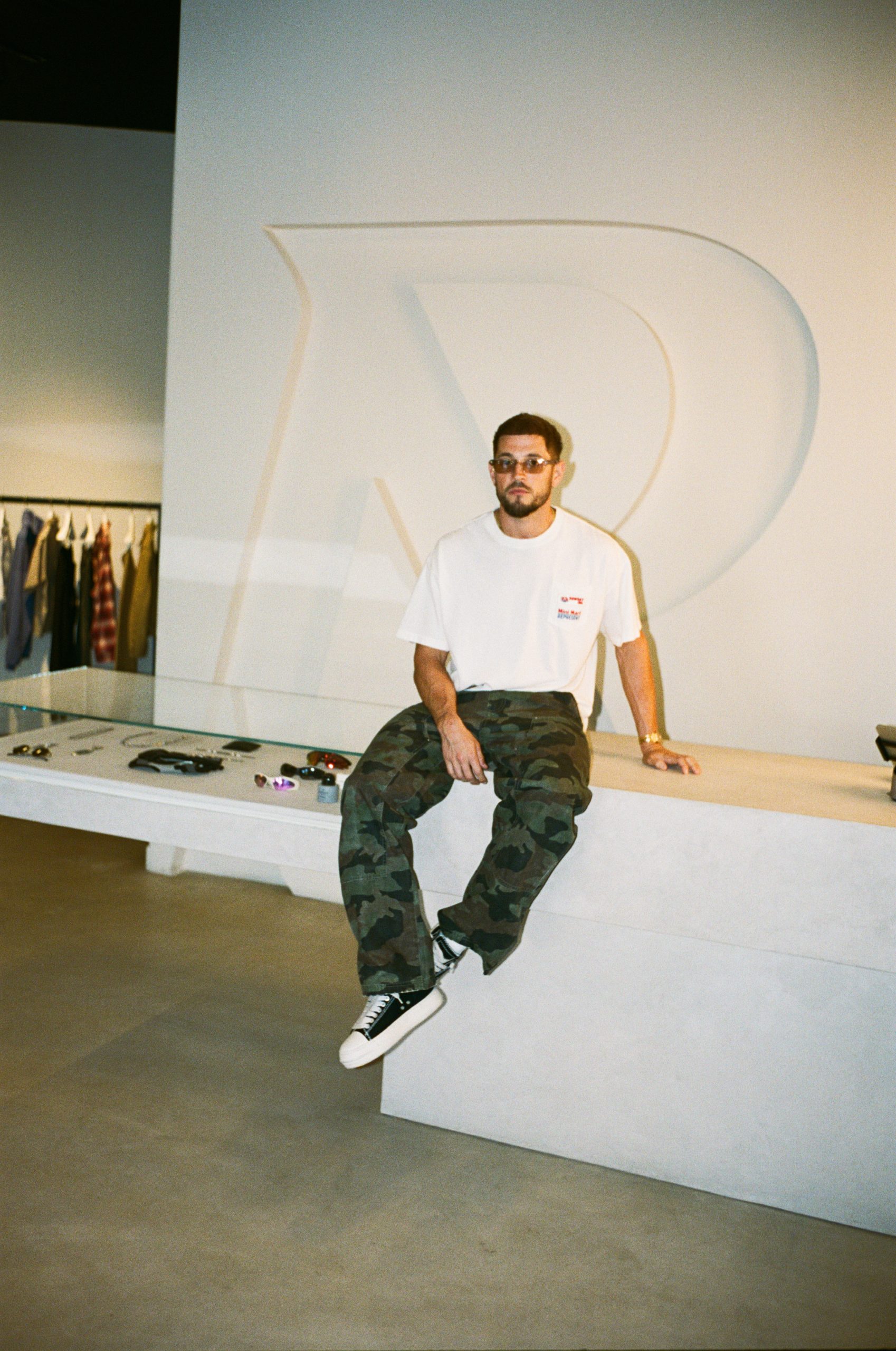
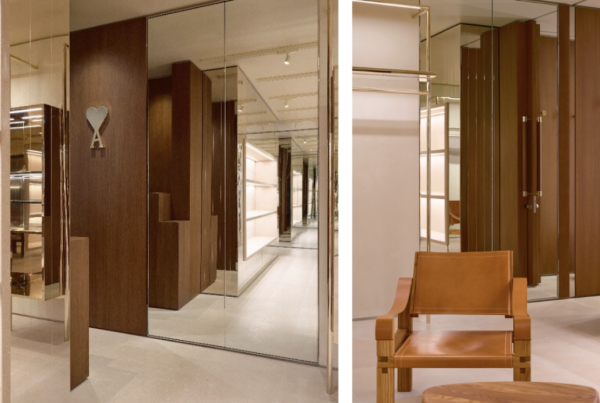
PAUSE: This building represents the US chapter of the story. What did moving Represent from the UK to LA teach you that staying in Manchester never could?
George: You’ve got to get local to really understand different cultures and different environments. In different geographical locations you’ve got to really be in it to understand it, and that taught us a lot when moving here.
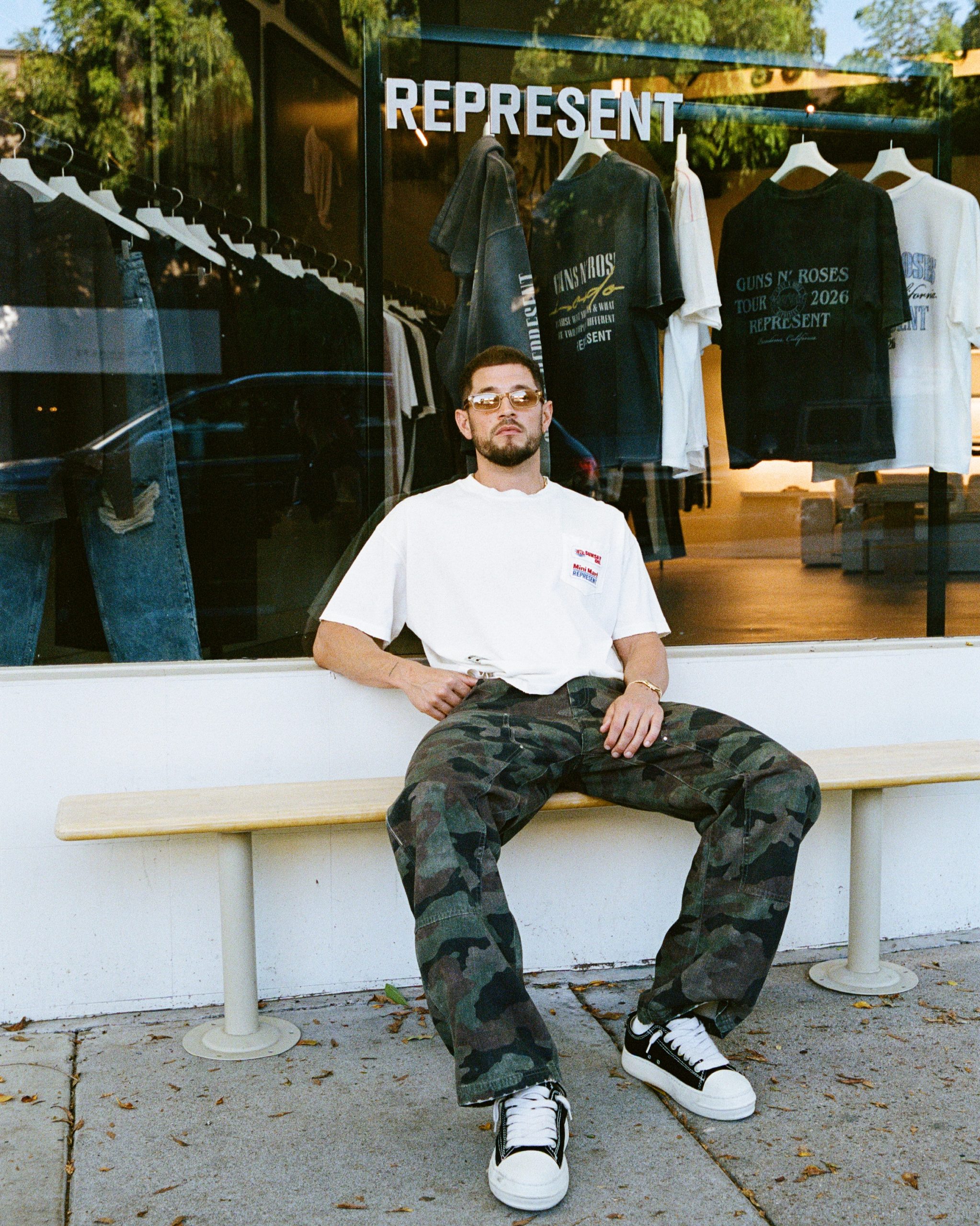
PAUSE: You’ve gone from an idea with your brother to a physical store in the US. What did it actually take to go from a UK-based brand to opening a store on this side of the Atlantic?
George: One thing we did over the past 10 years is test stores with built-in pop-up shops — Selfridges, Harvey Nichols, Harrods, those types of retailers. We would build out a space like a mini version of this and test colour palettes, fabrics, materials — how we wanted it to look, how we wanted it to feel, even how we wanted it to smell. So when we brought that over here, we had a toolbox to do it, and do it right. Then we copy and paste that: London, Manchester, LA.
PAUSE: You started this with your brother, just the two of you. Now you’ve got teams in the UK and the US. How do you manage running a company across two continents?
George: It’s a very difficult task, but if you’ve got great managers in both areas, that’s what’s going to help. Great teamwork.
PAUSE: If you were speaking directly to someone in their early 20s starting a brand right now, what are the most important things they need to get right first?
George: I’d say create a vision. Definitely have that end goal of what you want your brand to be. Then build a fantastic team — your team will do everything for you. You can’t do everything on your own, especially in a fashion brand. Number three, have a plan, but don’t be rigid about exactly what that plan is. You’re going to go off in many different directions, and it’s going to take a lot longer than you imagined. So plan — but the plan isn’t everything.
PAUSE: What’s a mistake you made early on that you see new founders repeating constantly?
George: Trying to do too many categories at once. People look at brands that are 15, 20, 30 years old and think, ‘I want to be that brand, I want to do everything they’re doing.’ It takes a long time to get a category right, and being successful in one category doesn’t necessarily mean you can be successful in every category.
PAUSE: How do you know the difference between a brand that’s trending and a brand that’s built to last?
George: Brands built to last are usually fashion houses, coming from much more of a luxury standpoint. I’m not saying lower-price-point brands don’t last, but it’s a different type of game. They work on trends, and that’s how they stay alive. Whereas a brand with a luxury fashion sense, and a clear direction of who they are and what they stand for, usually stands the test of time.
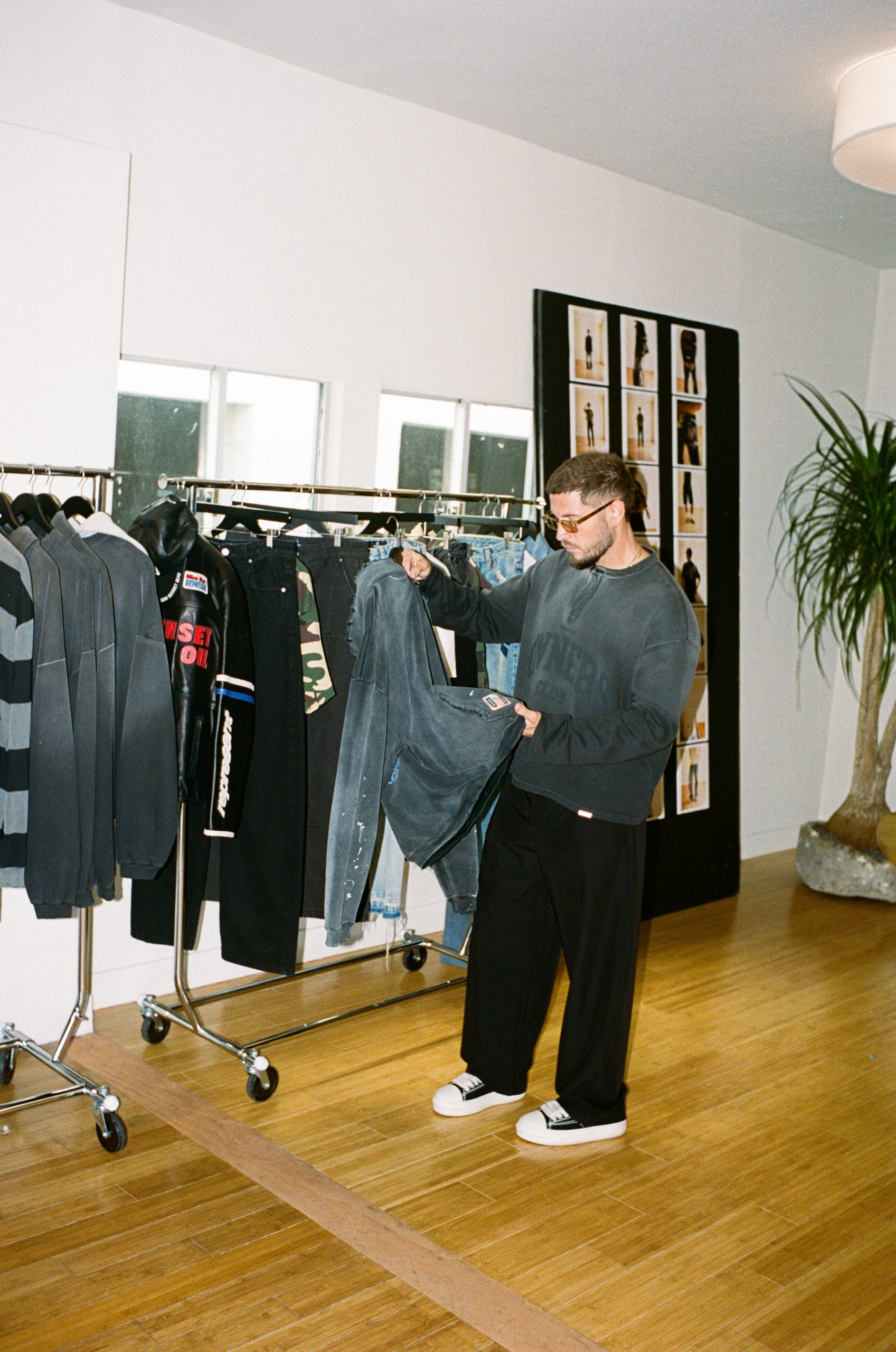
PAUSE: Standing here in your LA store, looking back at where you started, what would you tell that version of yourself in Manchester?
George: It’s going to take a lot longer than you imagine. I think that’s everything in life. We’ve been doing this for 15 years, and I opened this store nearly three years ago. It’s been slow progress, but it’s definitely working — and we’re starting to see that US growth really hit this year.