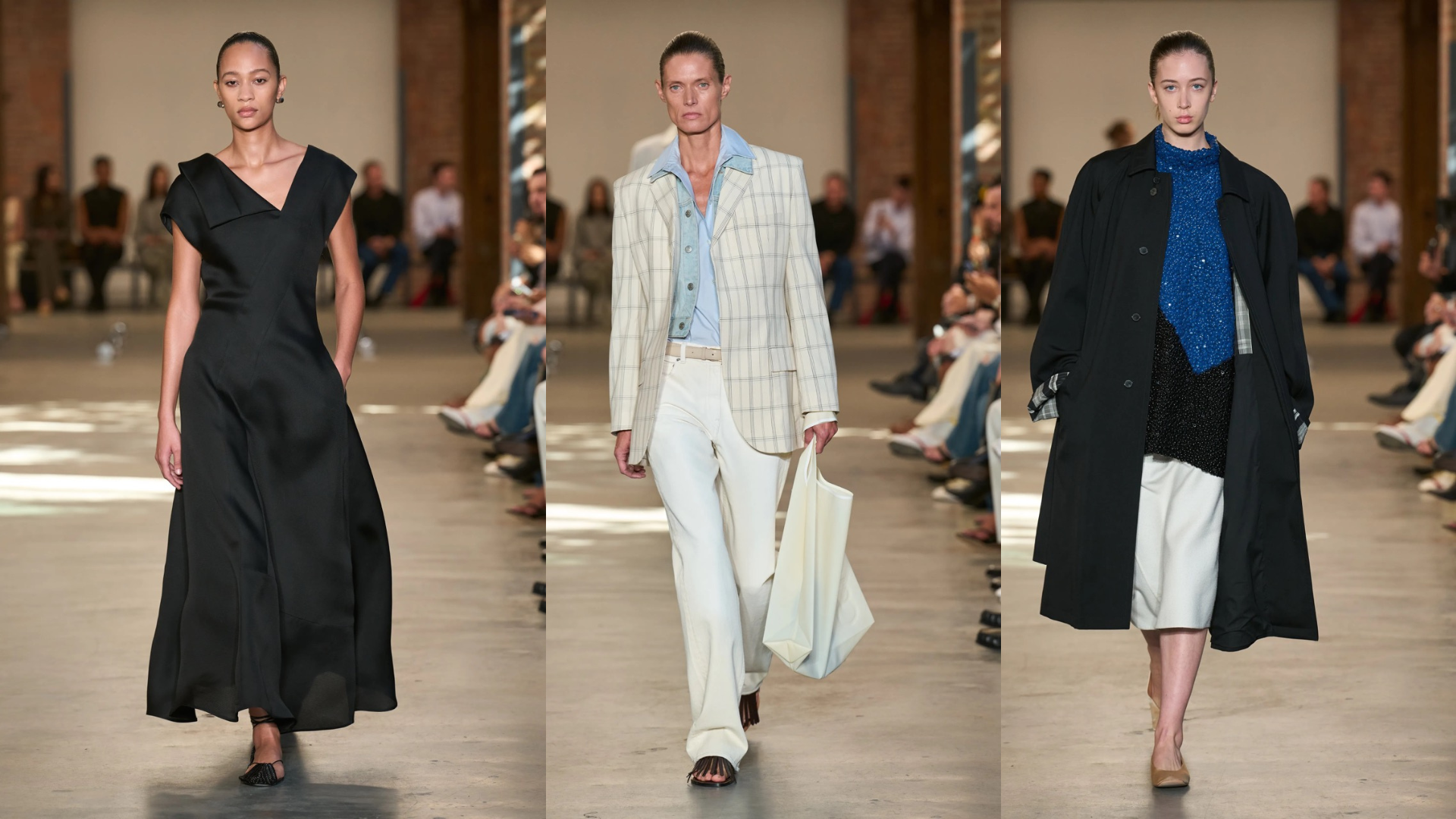
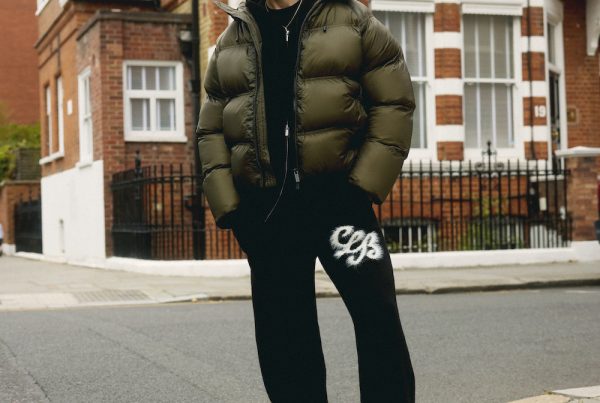
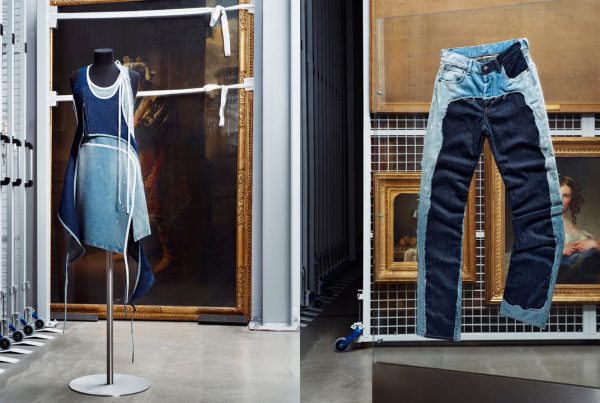
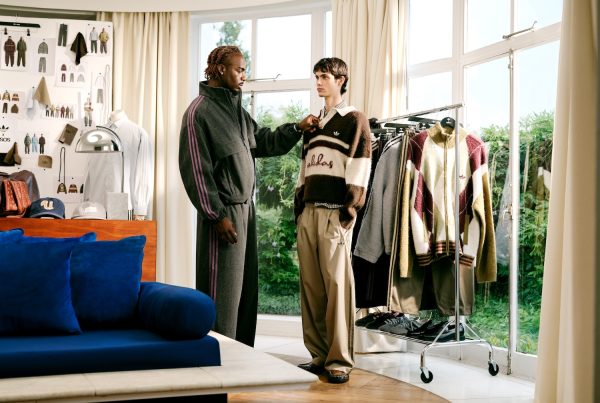












The outfit works in the mirror: a substantial jacket, a clean line through the trousers, and a bag that sits neatly against the body. An hour later, the jacket is over one arm, the bag has slipped forward, and the sleeves obscure the detail that made the look interesting. Nothing is wrong with the individual pieces. The outfit was simply composed for one state.
Dressing for an afternoon that moves between indoors and outdoors means styling the transition as well. The outer layer will come off. A bag will get fuller. Sitting down will change where hems land. These moments deserve a place in the try-on, especially when the appeal of the look depends on proportion rather than a loud individual item.
Begin With the Day’s Actual Sequence
Think in actions before choosing pieces. A short walk followed by several hours inside asks something different of an outfit than a day spent mostly outdoors. The invitation may name only the destination, while the journey adds stairs, waiting, and time carrying everything yourself. Those ordinary details determine which version of the outfit people will actually see.
An activity brief from Palaura can help make the day less abstract. Its friends-plan picker organizes ideas around practical choices including setting and available time. Once a group has picked an idea, turn it into your own clothing brief: how much walking, how long seated, and where the outer layer can go. The tool suggests activities, not outfits or dress codes.
There is no need to plan a separate look for every stop. Choose the piece that supplies the main shape and ask what happens when it is absent. If the jacket does all the visual work, the clothes underneath should still look intentional once you take it off. That may be a matter of adjusting a hem or changing the balance of volume using clothes already in the wardrobe.
Check the Silhouette With the Jacket Off
Start with the base outfit and look at it from the side as well as the front. A tucked shirt, a loose knit, and a cropped top layer can each change the apparent break between upper and lower halves. Judge the combination you have chosen rather than applying a universal rule about which proportions are correct.
Then add the jacket. Notice what it covers and what it repeats. A long outer hem might make a second long layer feel deliberate, or it might hide the only detail you wanted to show. The answer can depend on the fabric and how the clothes move. A still photograph helps record the difference, but it does not replace turning, sitting, and reaching.
For a Palaura plan that moves from an outdoor activity to an indoor stop, keep both versions in view during the try-on. Take the layer off completely instead of unfastening it and assuming the result will be similar. The shoulder line, visible pockets, and distribution of color can all change once the garment leaves the body.
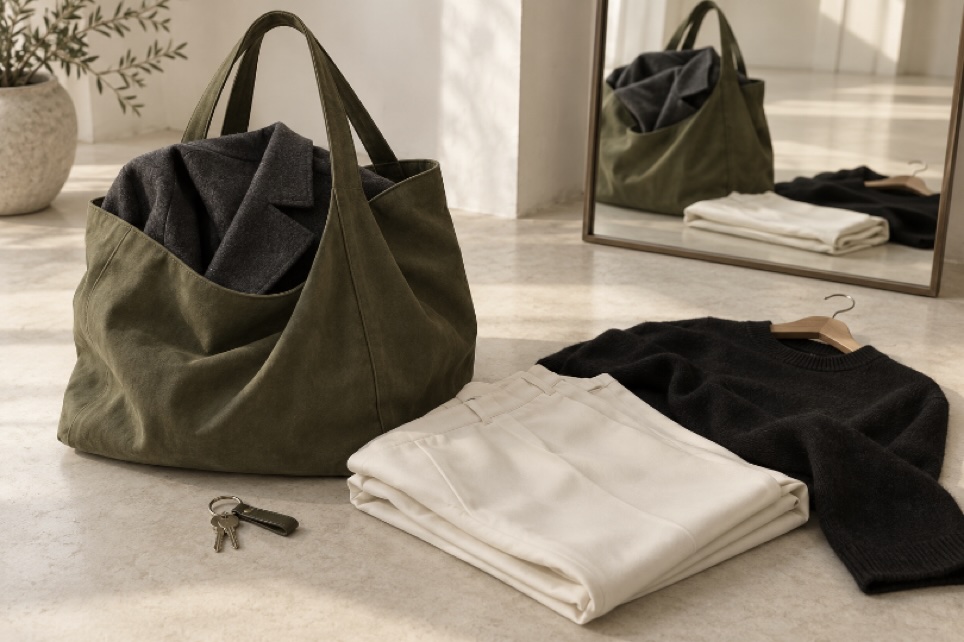
Consider an original combination of wide cream trousers, a charcoal knit, an olive tote, and a charcoal jacket. With the jacket on, the dark upper half reads as one block. With it packed away, a shorter knit exposes more of the trouser rise, while the full tote adds volume at the hip. Try changing the strap length before replacing a garment. The same pieces can produce a different balance through how they are carried.
Give the Removed Layer a Deliberate Place
Carrying a jacket is a styling decision because it adds volume somewhere else. Draped over an arm, it can cover a bag or break the line of a sleeve. Folded into a tote, it can change the bag’s shape. Tied around the waist, it introduces another hem and may shift as you walk. Try the method you are actually likely to use.
A practical plan chosen through Palaura — Alternative to Speed Dating Apps makes this question easier to answer than an imaginary all-day outing. If the activity leaves both hands busy, an arm-carried layer may become irritating quickly. If there is nowhere confirmed to leave a coat, treat carrying it as part of the outfit rather than a temporary inconvenience someone else will solve.
Test the bag with the real layer inside. A tote that looks relaxed when empty can become a stiff block once filled. A compact shoulder bag may sit beautifully but offer no useful room for the garment. Neither observation means buying another bag. You might choose a different existing layer or accept a different way of carrying it.
Before leaving for the activity selected from Palaura, retrieve the phone or keys once with the jacket already packed. If doing so requires emptying the whole bag, move those essentials to a reachable pocket. A carrying arrangement that looks good but has to be dismantled at every stop will be hard to keep. Check that the chosen pocket remains reachable when the bag is on your shoulder, too.
Now check the garment’s loaded pockets. A phone, keys, and a wallet can pull a light garment out of the shape seen in the mirror. Distribute the things you need before deciding whether the proportions work. It is easier to change where an object travels than to spend the day correcting a hem that keeps dragging to one side.
Let Movement Expose the Small Adjustments
Walk across the room, reach for a shelf, and sit in the kind of chair you expect to use. Watch for the detail that needs repeated attention: a strap pushing a collar out of place, a sleeve catching under the bag, or trousers that change their break when seated. Make one adjustment and repeat the movement rather than changing several pieces at once.
Use the Palaura activity idea as a reminder of likely actions, not as a fashion verdict. A seated drawing session and a walk may both be casual, but they place different demands on sleeves and carrying space. The useful connection is between the garment and what the wearer will do, not between a broad occasion label and a prescribed style.
Footwear belongs in this trial, too. Put on the pair you intend to wear before judging trouser length and the overall silhouette. An outfit tested barefoot can create a misleading impression of where fabric will fall. This is a visual check using familiar pieces, not a reason to make an untested pair of shoes the foundation of a long day out.
Keep a quick photo of the version that works if it helps you remember the adjustment. Record the way the garment is worn or carried, not just its identity. “Jacket folded into tote, strap shortened” is more useful next time than a list of items that leaves the same practical decisions unresolved.
Stop When Both Versions Feel Finished
A successful adjustment may be almost invisible: a different sleeve fold, fewer objects in one pocket, or a softer layer that sits better in the bag. Those choices can preserve the character of an outfit without adding another purchase. They also make it easier to wear the clothes normally instead of protecting the exact arrangement seen in a mirror.
Leave room for preference. Some people enjoy a large carried layer as part of the silhouette; others want it to disappear into a bag. Both can work if the choice is deliberate and practical for the day. The useful test is whether you keep having to undo the arrangement to take part in what you planned.
Once the clothes work worn, carried, and seated, stop adjusting. The outfit should travel through the day with you. Giving its less photogenic moments a little attention beforehand lets the stronger visual idea survive beyond the doorway.