












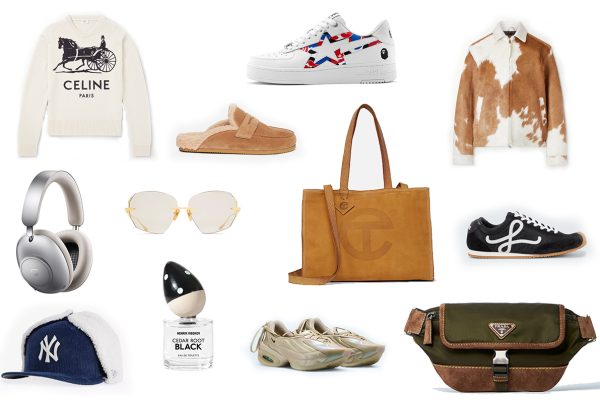

 If you came of age in the last decade, your wardrobe probably started at your feet. Chunky runners, skate shoes, limited drops queued for online. Sneakers weren’t just footwear, they were a personality, a hobby and, for some, a small investment portfolio.
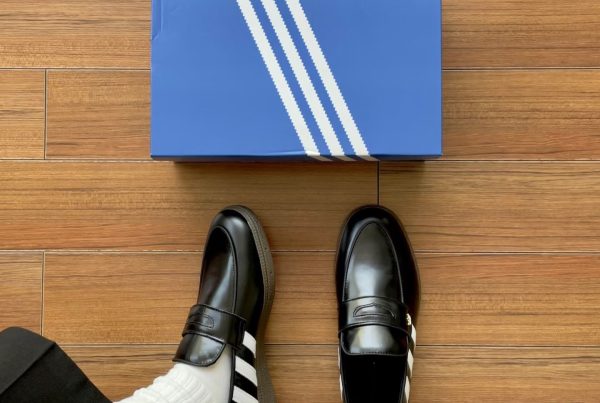
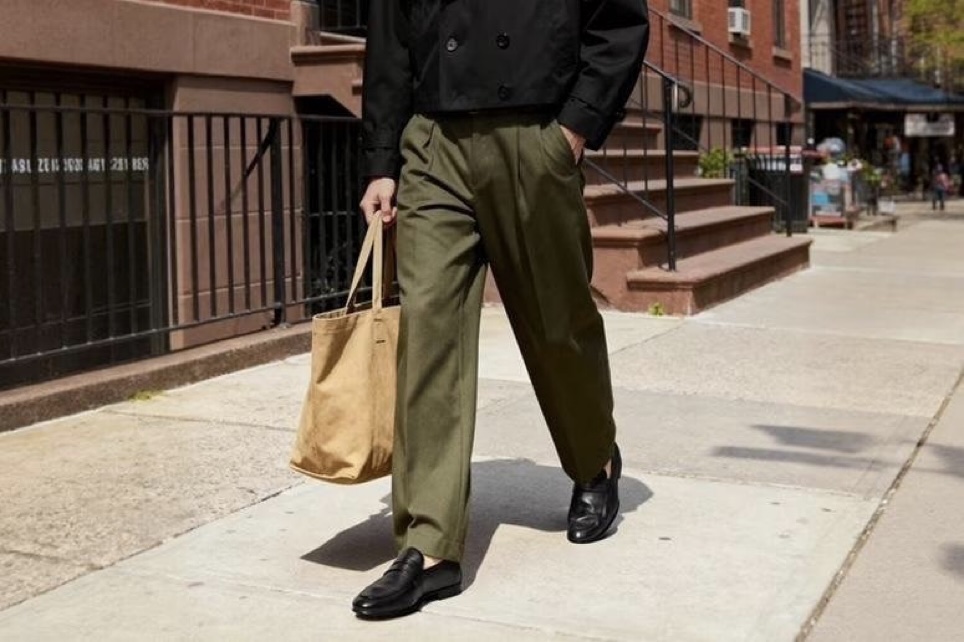
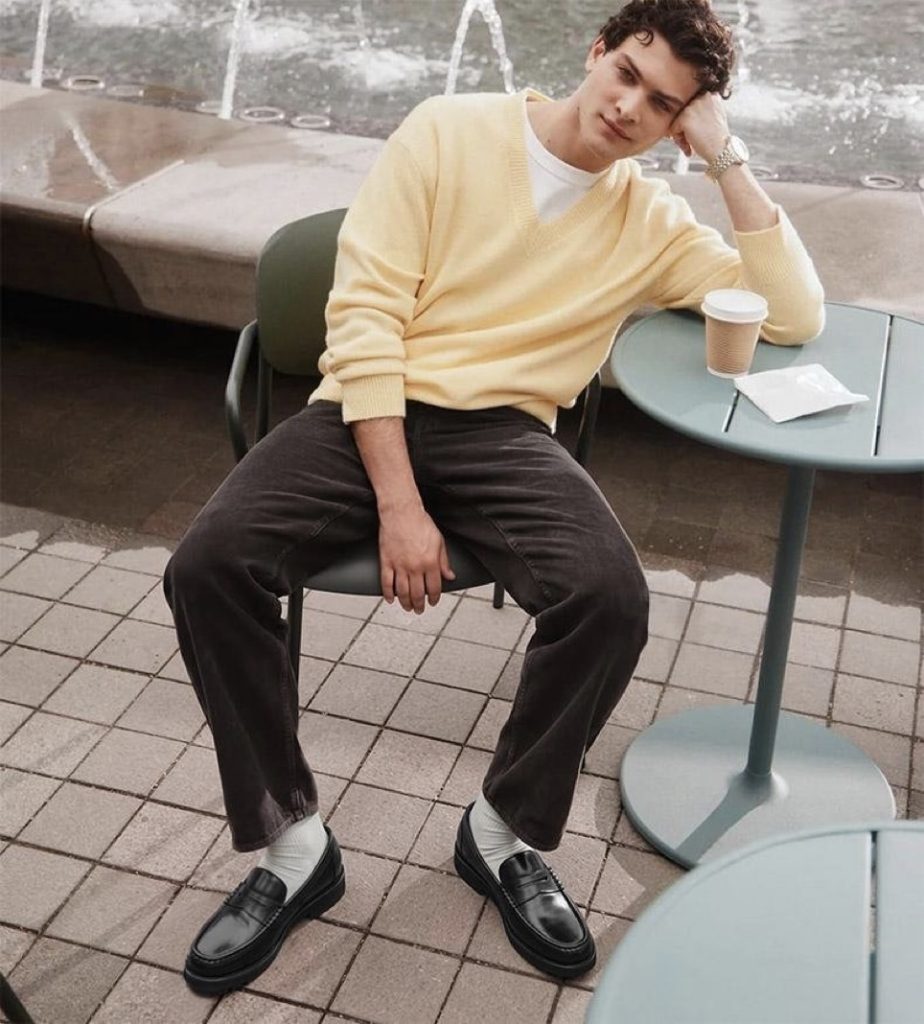
But something is shifting. Walk through Shoreditch, Manchester’s Northern Quarter or any city-centre office on a Friday, and you’ll notice the same guys who once lived in trainers are now in leather: a clean derby with wide-leg trousers, a sleek loafer with a boxy overshirt. Not a stiff, interview-only dress shoe, but something with intent.
Why the sneaker generation is moving on
It isn’t that sneakers are over. It’s that the rules around them have relaxed so much that they no longer signal much at all. When everyone wears them to the office, the pub and the wedding after-party, a smart shoe becomes the more interesting choice.
Three things are driving the change:
- Dressing up has become optional, so it feels deliberate. With hybrid work and relaxed dress codes, nobody has to wear a leather shoe anymore. The men who do are making a statement: I care how I show up.
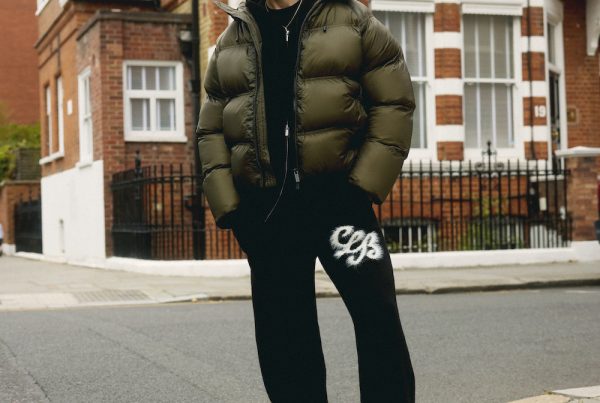
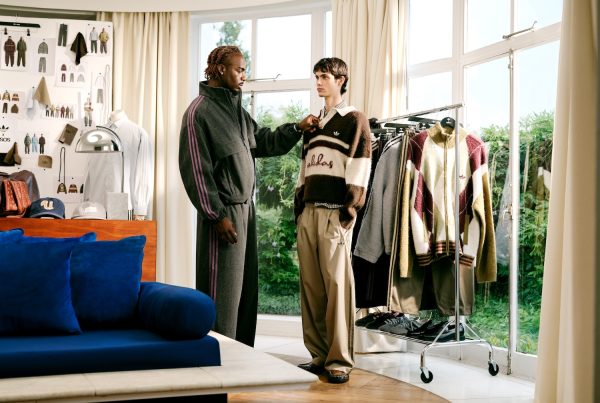
- Silhouettes have changed. Wider trousers, longer coats and relaxed tailoring are everywhere on the high street. These cuts look best when the shoe has some structure and the proportions are balanced, and a flat, bulky trainer doesn’t always do that job.
- Gen Z and young millennials want “quiet” upgrades. This isn’t about logos or hype. It’s about the details people notice only on second glance, such as a clean last, good leather and a better fit.
Enter the elevator dress shoe
This is where elevator shoes have quietly shed their awkward reputation. The old stereotype, a clunky platform that announced itself from across the room, doesn’t match what’s made today. Modern elevator dress shoes look like regular leather shoes. The lift is built into the sole and insole, so you get a boost without a visible stack.
For a generation that grew up caring about fit, proportion and presentation, it’s an easy sell. Think of it the way you’d think of a well-tailored jacket: nobody should be able to point to what you did, they should just think you look sharp.
Brands like Chamaripa have built their range around exactly that idea, offering a subtle lift of roughly 2 to 4 inches in styles that wouldn’t look out of place in any dress shoe line-up.
How to make the switch without overthinking it
If you’re coming from a sneaker-only wardrobe, here’s how to ease in:
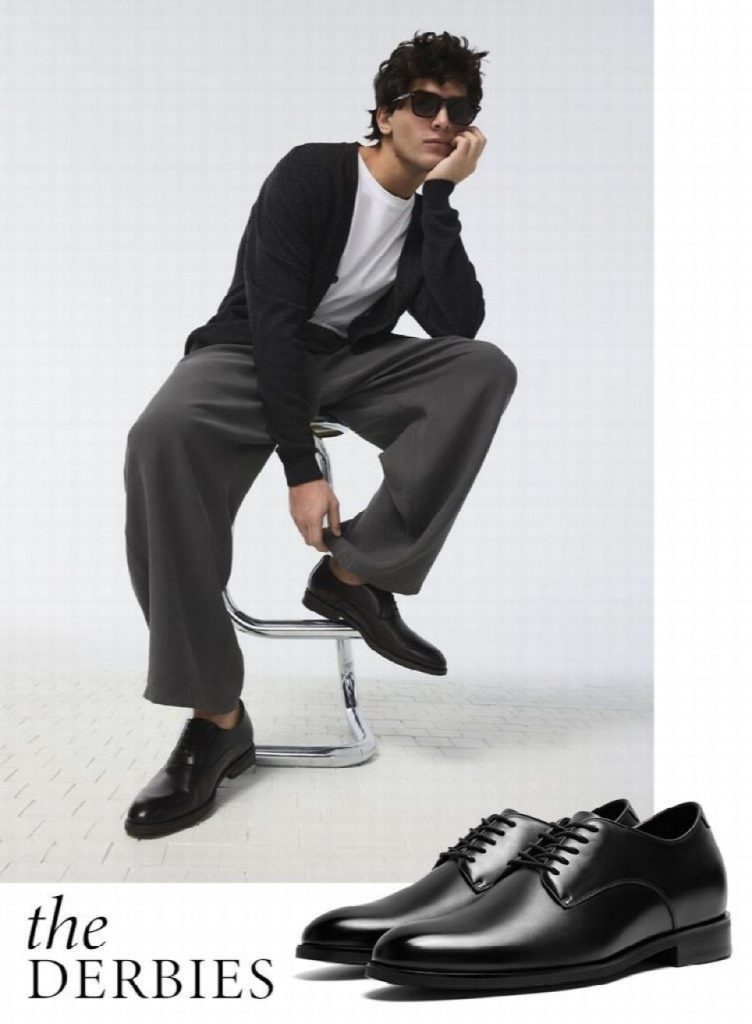
- Start with a derby, not an oxford. Derbies are slightly more relaxed and pair easily with chinos, denim and tailoring, so the jump from trainers feels smaller.
- Choose black or dark brown first. They’re the most versatile colours and work across almost every outfit you already own.
- Mind your trouser break. A clean, slightly cropped or straight hem lets the shoe do its job. Too much fabric bunching over the top hides the silhouette.
- Break them in properly. Like any leather shoe, give them a few short wears at home before a full day out.
- Keep the rest simple. Let the shoes be the upgrade. A good knit, a tidy shirt or a clean tee is plenty.
If you want to see what the category looks like in practice, a good place to start is a pair of elevator dress shoes, which show how far the design has come from the platform stereotype.
The bigger picture
Growing up in style doesn’t mean abandoning everything you loved. Sneakers will always have a place in the rotation. But the men who started in them are now looking for something that fits the next chapter: a first proper job, a promotion, a wedding invite, a date that’s actually worth dressing for.
A smart shoe with a hidden boost is a small decision that carries a lot of quiet confidence. And in a world of loud style, quiet might be the real flex.