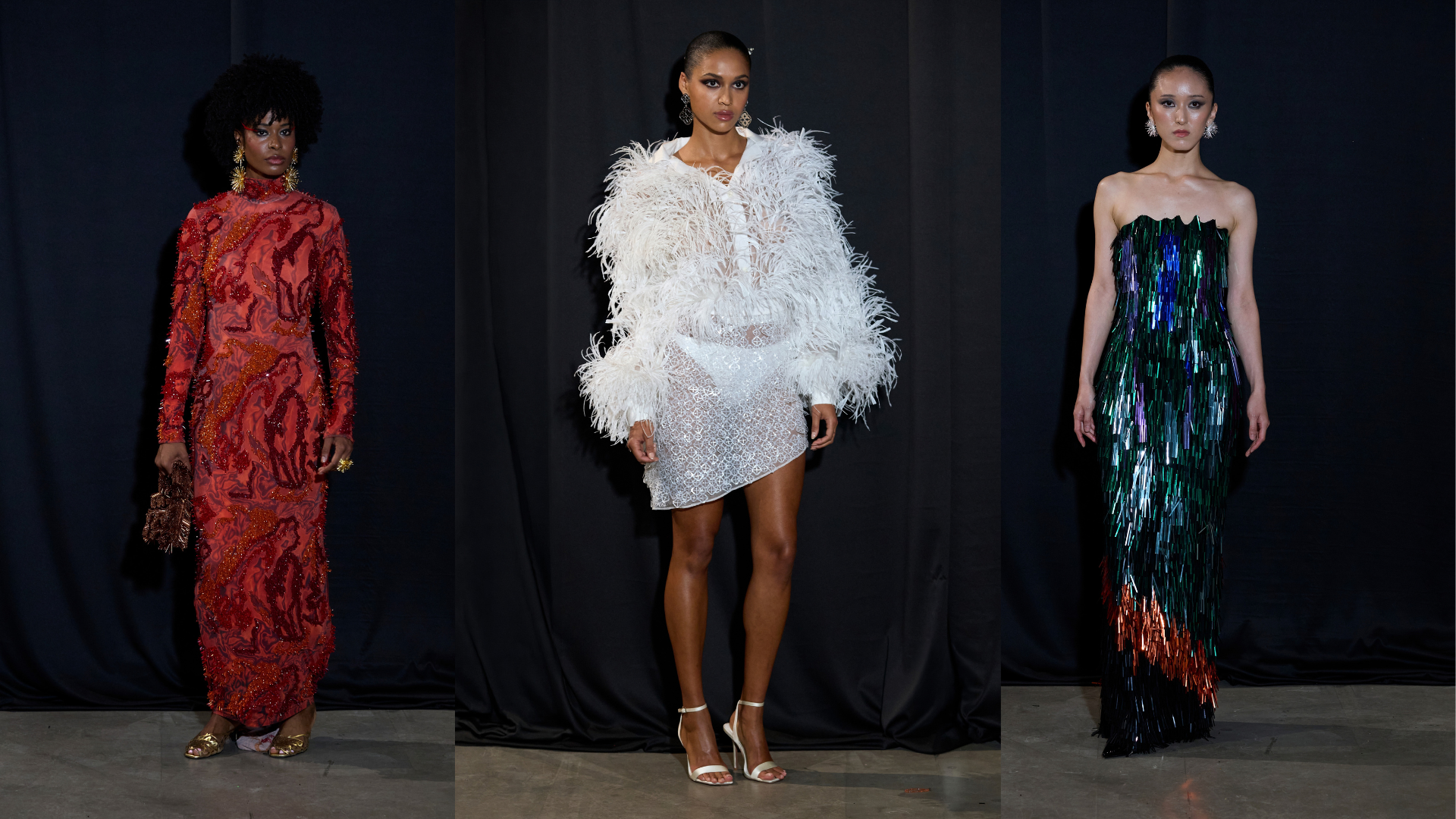

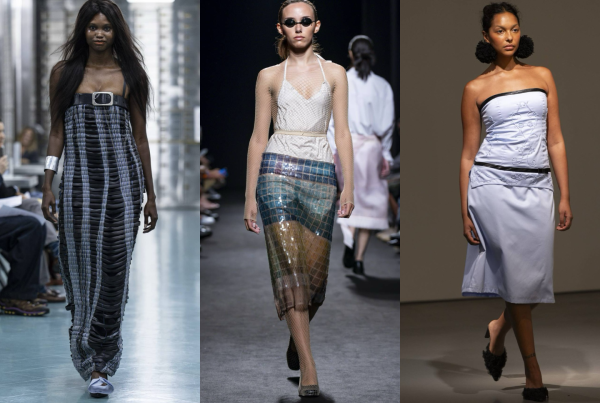

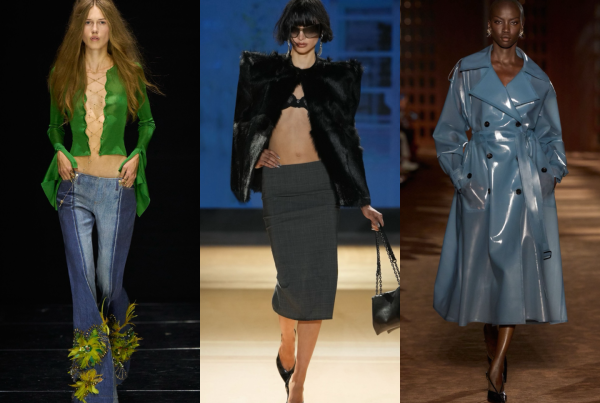














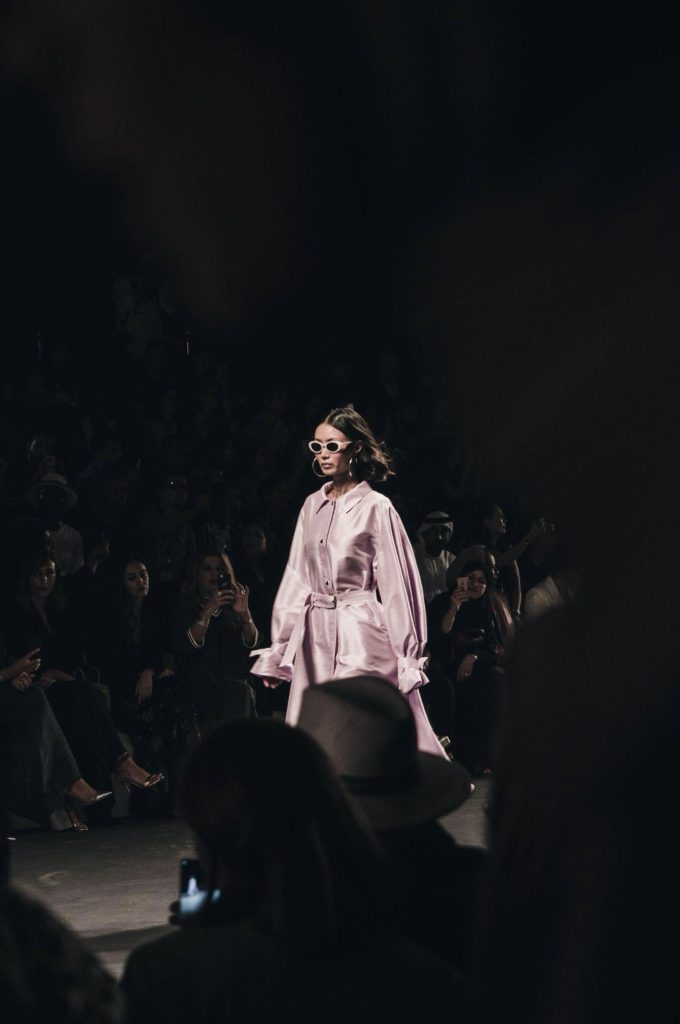
 The runway kept its glamour. The stock market did not.
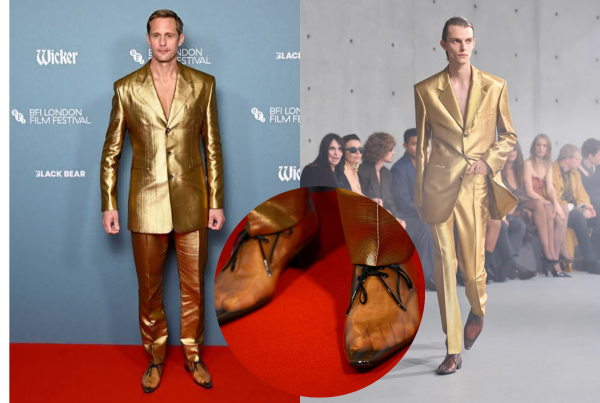
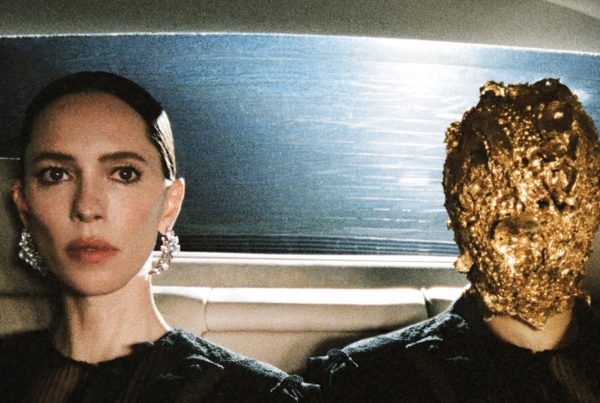
Paris Fashion Week has just wrapped, and on the runway it was business as usual: gold-drenched finales, crowded front rows and plenty of chatter about who is moving where. On the stock market, the same houses have had a far rougher season. European luxury shares are on course for their worst year since 2008, and some of fashion’s most recognisable names have lost more than a third of their value since January.
Not every label has moved in the same direction, though. These are the five luxury groups whose share prices have swung hardest in 2026.
Why Luxury Stocks Are Swinging So Hard in 2026
Three pressures have landed at once. China comes first. In early September, Bernstein pointed to data showing luxury mall sales in mainland China down 12% year on year in July, calling it the fourth “false dawn” since the pandemic. Then there is the conflict involving Iran, which pushed oil prices up and revived inflation fears. Just how jumpy the sector has become was obvious in June, when reports of a proposed US-Iran deal sent LVMH, Kering and Hermès up around 5% in a single day. Finally, RBC, Morgan Stanley, HSBC and Bernstein have all cut ratings, targets or forecasts since late summer.
Moves of that size have pulled fashion stocks into conversations well beyond long-term investors. Through CFD trading, some active traders take short-term positions on where shares such as LVMH or Burberry might head next without owning the underlying stock, so a falling price can matter to them as much as a rising one. For everyone else, the share price has become another way to read a brand’s mood.

1. LVMH
The world’s biggest luxury group has been one of the year’s biggest casualties. By late September its shares were down more than 37% for the year and had sunk to their lowest level since November 2020, following an RBC downgrade that cut the bank’s price target from €575 to €475. Along the way, LVMH lost its place as France’s most valuable listed company to L’Oréal.
Scale is part of the problem. With Louis Vuitton and Dior carrying so much of the profit, any slowdown in fashion and leather goods drags on the entire group. In April, LVMH said the war had wiped roughly a percentage point off first-quarter organic growth, effectively halving it.
2. Hermès
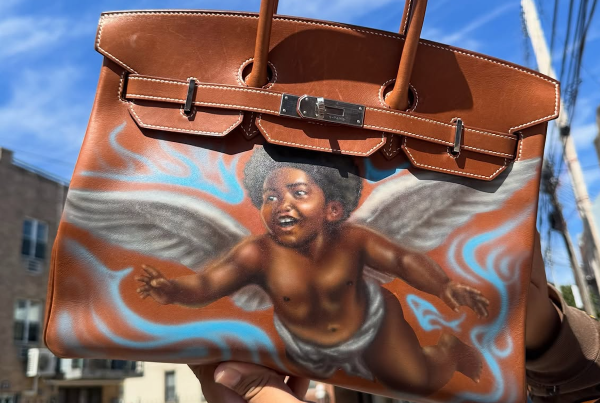
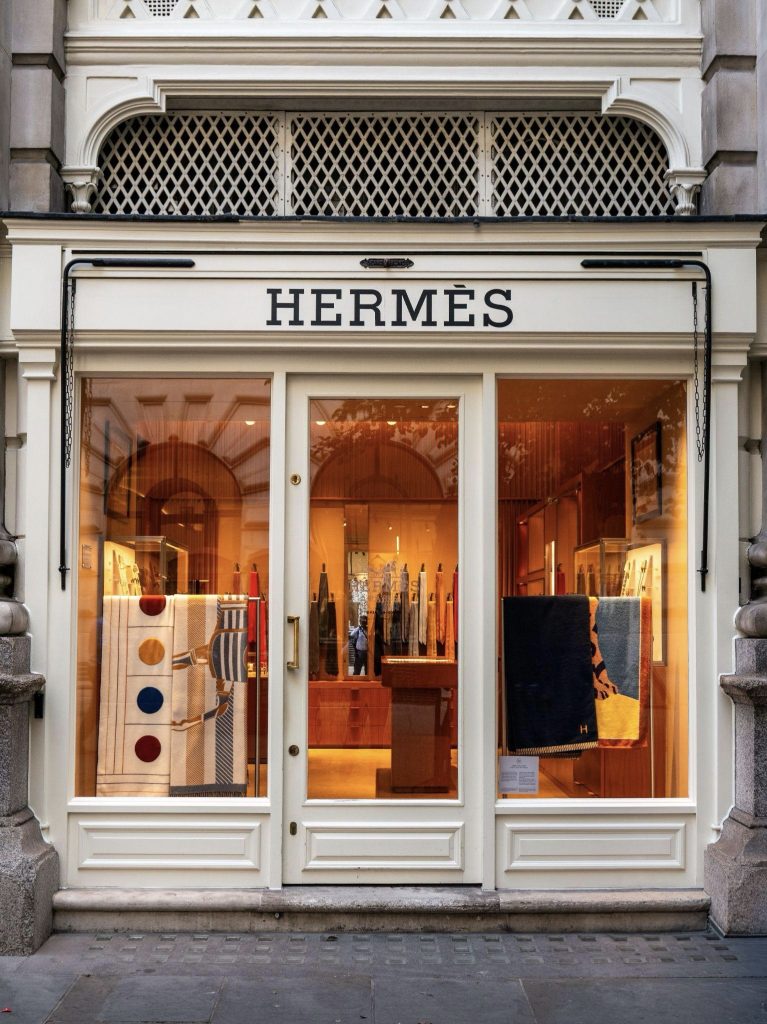
Hermès has long been the stock investors ran to when luxury wobbled. Not this year. The Birkin maker’s shares were down around 37% by mid-September, almost exactly in step with LVMH, even though the business is still growing. First-half revenue reached €8.2 billion, up 6% at constant exchange rates, with leather goods up 10%, and the house opened a new Hermès Maison on London’s New Bond Street.
The disconnect comes down to valuation. Hermès has traded at a hefty premium to its peers for years, and when sentiment sours across a sector, the priciest stocks often have the furthest to fall. A brilliant brand and a rising share price are not always the same thing.
3. Kering
Kering has delivered the year’s most dramatic storyline, with big swings in both directions. The shares jumped as much as 13% in February when Gucci’s fourth-quarter sales fell by less than feared, then rallied hard again in late July after the group reported a return to growth under chief executive Luca de Meo, the former Renault boss hired to lead the turnaround.
Neither rally lasted. Kering was still down about 31% for 2026 when Saint Laurent confirmed in early October that Anthony Vaccarello was leaving after a decade as creative director. Kering says the house’s revenue fell 9% in 2024 and 6% in 2025 before largely stabilising this year, so his successor inherits a brand in recovery rather than freefall.
4. Burberry
Britain’s flagship luxury label is roughly two years into its Burberry Forward turnaround, and the market remains unconvinced. The shares are down around 21% this year, and even good news has struggled to stick. In July, a trading update showed growth across all four divisions, yet the stock fell more than 5% after management warned that first-half gross margin could dip slightly.
RBC added to the pressure in September by downgrading Burberry alongside LVMH. For a house built on the trench coat and the check, the share price has become a very public scorecard for its creative reset.
5. Richemont
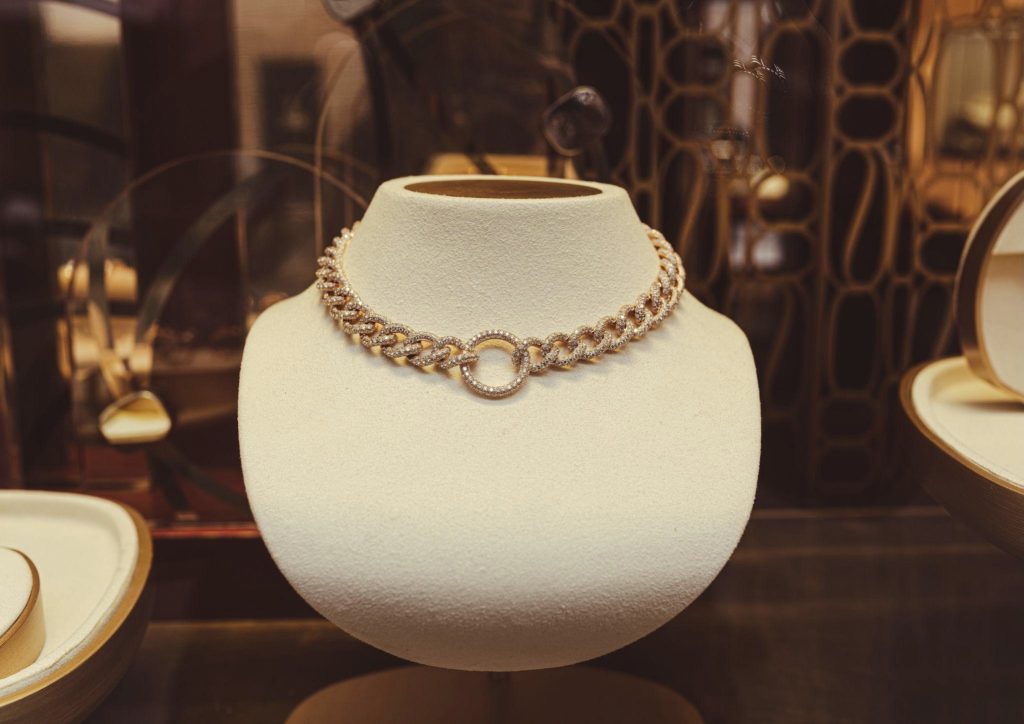
Then there is the outlier. Richemont, owner of Cartier and Van Cleef & Arpels, has stayed close to where it started the year while its fashion-led rivals tumbled. In July, first-quarter sales rose 20% at constant currency to €6.33 billion, comfortably beating forecasts and sending the shares up 6% in early trading. This relative stability is the exception that proves the rule.
Jewellery is doing the heavy lifting. Wealthy buyers increasingly favour pieces they see as holding their value, a shift Kepler Cheuvreux analyst Jon Cox has partly linked to fortunes made in the AI boom.
Final Say: What Comes Next for Luxury Shares
The next few weeks should bring more movement. Kering and Prada both report third-quarter sales later this month, with Richemont’s half-year results due in mid-November. The bigger theme is a sector splitting in two, with jewellery holding firm while fashion houses lean on new designers to win shoppers back.
Whether those creative resets continue to show up in the numbers is the question many investors and traders are hoping to find an answer to.