












































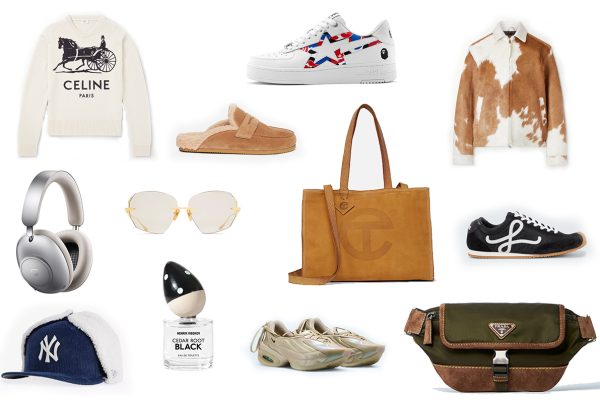


Travel for the modern creative male is no longer a simple transit between two points. It is a high-stakes logistics operation. Whether you are a DJ heading to a residency in Ibiza, a photographer hitting Paris Fashion Week, or a tech founder hopping between global hubs, the tools you carry define your output. Traditional luxury luggage, while aesthetically pleasing, often fails the durability test required for high-value gear. Enter the industrial shift. Men are increasingly ditching the monogrammed leather for something more resilient. The move toward using a professional flight case as primary travel luggage is a response to the reality of global transit, where fragile gear is subjected to aggressive handling.
The Shift from Aesthetic Luxury to Functional Protection
The definition of luxury in travel is changing. While high-end fashion houses have dominated the luggage space for decades, their focus often prioritises visual prestige over structural integrity. For the traveller carrying £10,000 worth of camera bodies or a rare sneaker collection, a scuffed leather surface is the least of their worries. The real threat is the internal impact.
Modern travel demands a level of security that standard suitcases cannot provide. A report indicates that while baggage mishandling rates have improved over the long term, damaged or pilfered bags still accounted for 18% of all mishandled baggage in 2024, a notable increase from previous years. For someone carrying professional tools, 18% is a risk too high to ignore.
Choosing a flight case is a conscious decision to prioritise the safety of the contents over the brand name on the exterior. These cases are built to withstand extreme pressure, significant drops, and the chaotic environment of an aeroplane cargo hold. It is about an armour-clad approach to movement.
Why Industrial Design is Dominating Streetwear and Travel
There is a clear parallel between the rise of “Gorpcore” in fashion and the adoption of industrial gear in travel. We see it in the popularity of brands that emphasise utility, tactical buckles, and raw materials. The visual language of a flight case, aluminium edges, steel ball corners, and heavy-duty recessed latches, fits perfectly into this urban aesthetic.
This is not just about looking “tough.” It is about the honesty of the materials. When you use an industrial case, you are using a product that was originally intended to protect touring equipment for rock bands and broadcast gear for news crews. Bringing that level of protection to your personal wardrobe or tech stack is the ultimate travel flex. It says that your gear is important enough to warrant the best possible protection.
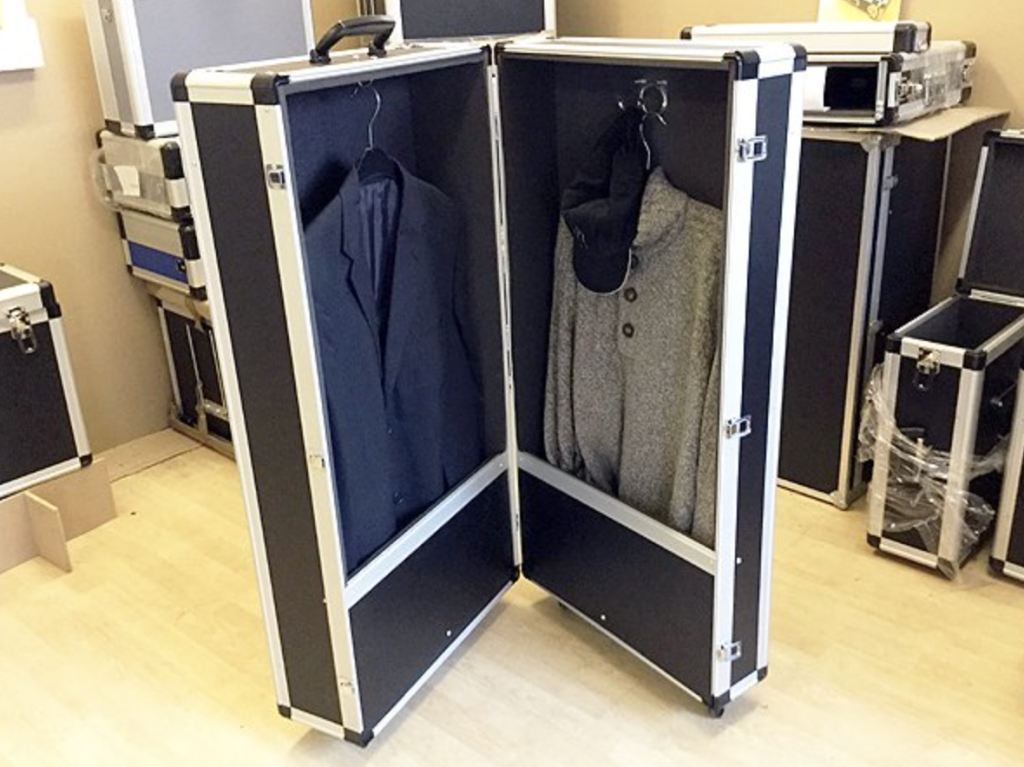
The Architecture of a Superior Travel Case
What sets these cases apart from standard luggage is the internal architecture. Most suitcases offer a cavernous open space with a couple of flimsy straps. A professional case utilises high-density foam inserts that can be shaped to the exact dimensions of your equipment.
Impact Resistance and Structural Integrity
Unlike polycarbonate or aluminium suitcases that can dent or crack under the weight of other bags, an industrial case is built with a rigid frame. This frame distributes weight outward rather than allowing the pressure to reach the centre where your fragile items live.
Customisation for the Creative Professional
The ability to have a case built to your specific needs is a game-changer. If you are travelling with a specific drone setup or a collection of high-end watches, the foam can be cut to provide a snug fit for every individual piece. This prevents items from knocking against each other during turbulence or transit.
The Economic Reality of Gear Protection
Investing in high-quality casing is a financial strategy. The cost of a premium case is a fraction of the cost of replacing a high-end laptop or a set of professional lenses. According to market research, the premium luggage market is projected to reach over 54 billion USD by 2035, driven largely by a consumer preference for durability and “smart” protection.
Airlines often have strict liability limits for damage to electronics in checked bags. In many international jurisdictions, the compensation offered might not even cover half the cost of a modern professional camera. By using a specialised case, you effectively eliminate the need to rely on airline compensation policies that are notoriously difficult to claim against.
Navigating the Airport with Industrial Gear
One common misconception is that these cases are too heavy for standard travel. While they are certainly sturdier than a nylon duffel, modern manufacturing uses lightweight flight-grade plywood and high-tensile aluminium to keep the weight manageable.
Many travellers find that the “rugged” look actually helps at check-in and security. It signals to staff that the contents are professional and fragile. Furthermore, the stackable nature of these cases makes them ideal for road trips or moving through train stations where you might be handling multiple pieces of luggage at once.
The Lifestyle Transition: From Airport to Apartment
The utility of these cases does not end when you reach your destination. In urban living, space is a premium. A well-designed case often doubles as furniture. We are seeing a trend where men use their travel cases as side tables or stackable storage units in their apartments. It maintains that industrial, “on-the-road” vibe while serving a practical purpose.
This dual-use case makes the investment even more logical. You are not just buying a bag that sits in the closet for eleven months of the year. You are buying a piece of hardware that is part of your daily environment.
Key Considerations Before Making the Switch
If you are ready to move away from traditional luggage, keep these factors in mind:
- Weight vs. Protection: Ensure the case you choose uses materials that offer a balance. Look for “flight-grade” specifications.
- Mobility: Wheels are non-negotiable for travel. Opt for heavy-duty castors that can handle uneven city pavements, not just smooth airport floors.
- Security: Look for cases that allow for TSA-approved locks or have integrated locking mechanisms.
- Internal Layout: Consider whether you want pick-and-pluck foam for flexibility or a custom-cut insert for a permanent setup.
Final Thoughts on the New Travel Standard
The modern nomad is someone who moves with purpose and carries tools that facilitate their lifestyle. The shift toward industrial-grade protection is a natural evolution of the male travel experience. It acknowledges that the “luxury” of a bag is found in its ability to do its job under pressure.
Choosing a professional-grade solution ensures your focus remains on the journey and the creative work at your destination, rather than on the condition of your gear in the cargo hold. In an era where air travel is increasingly unpredictable, having your own “armour” is the only way to travel with total confidence.