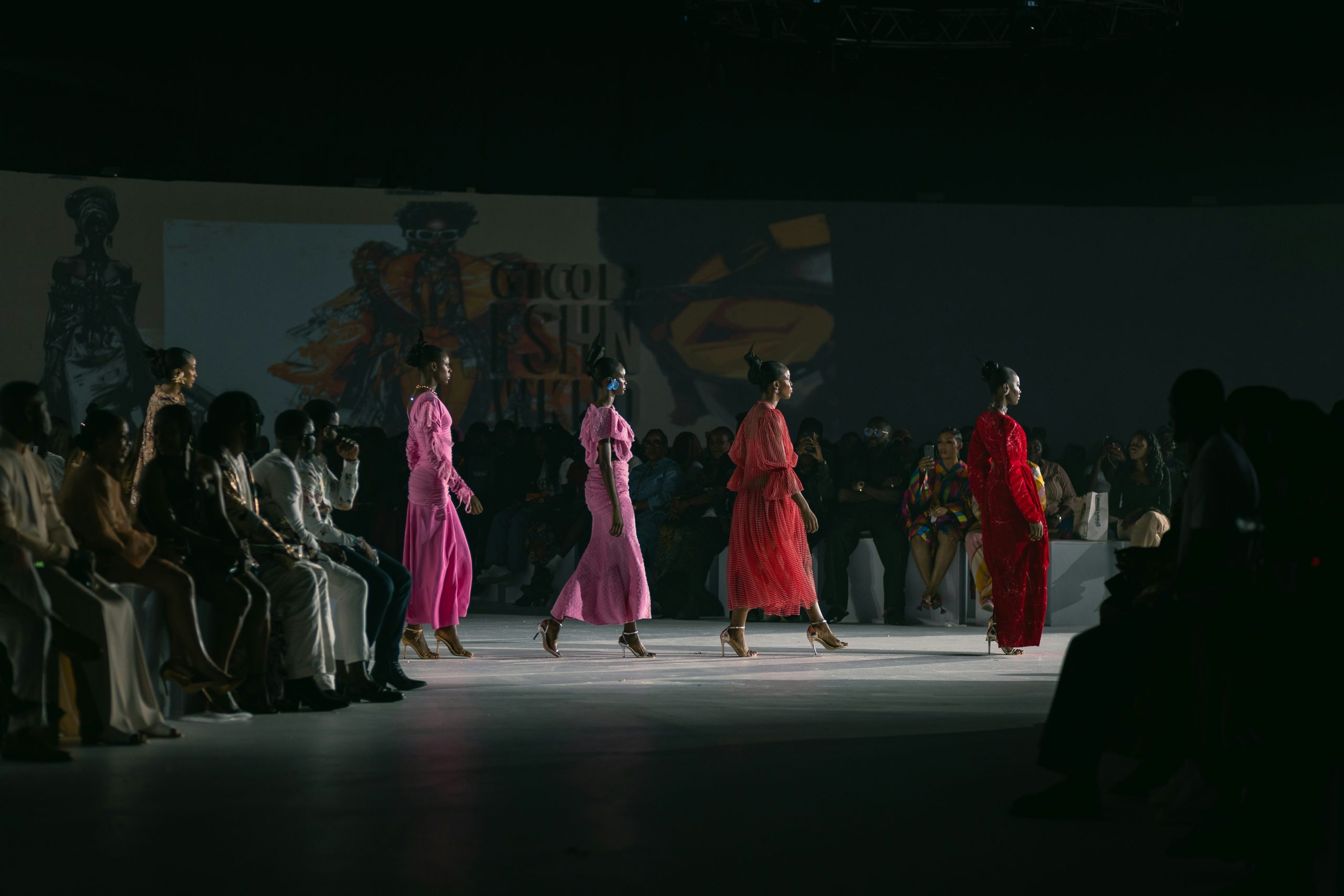
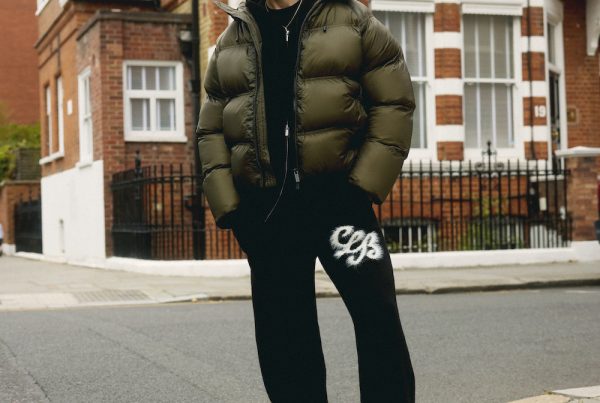
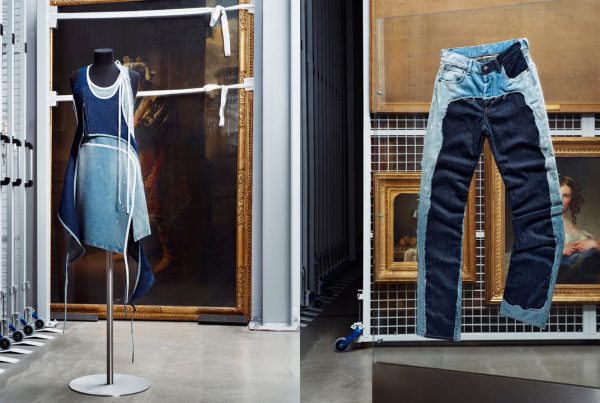
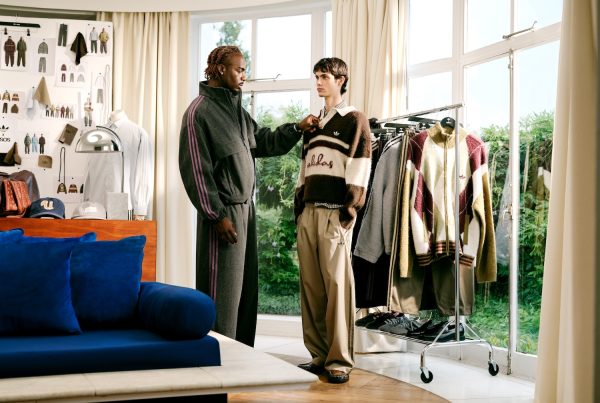

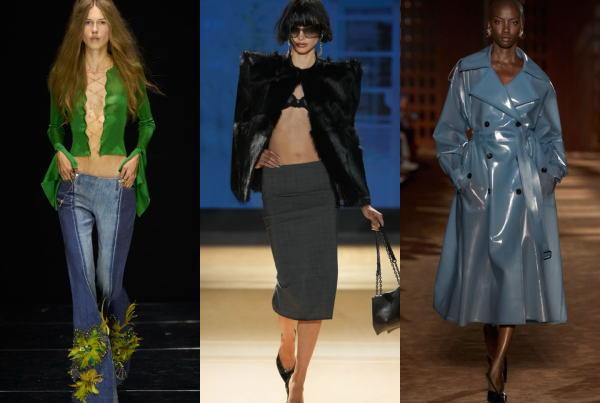
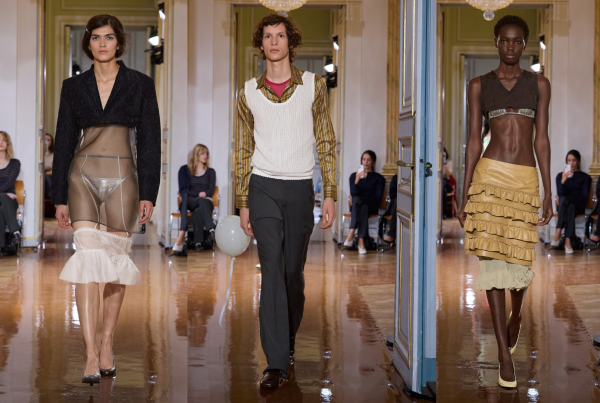
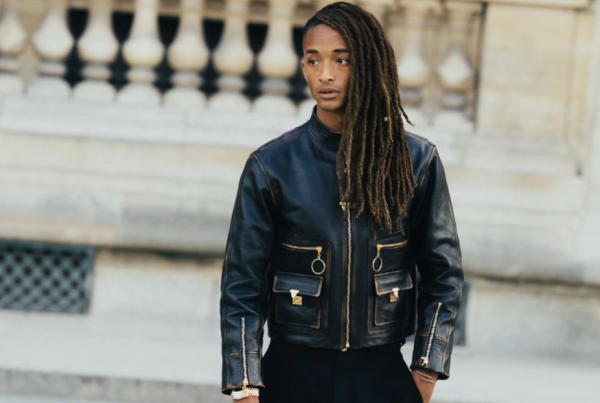
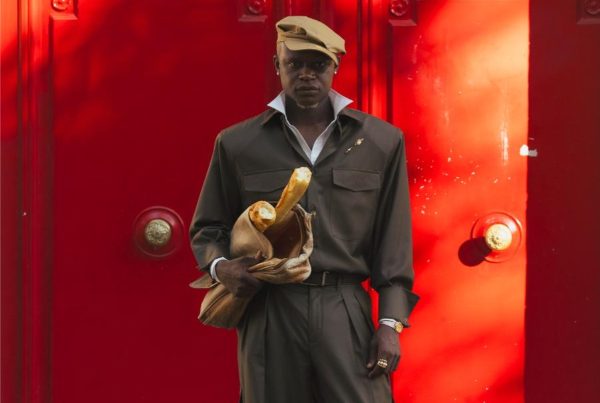
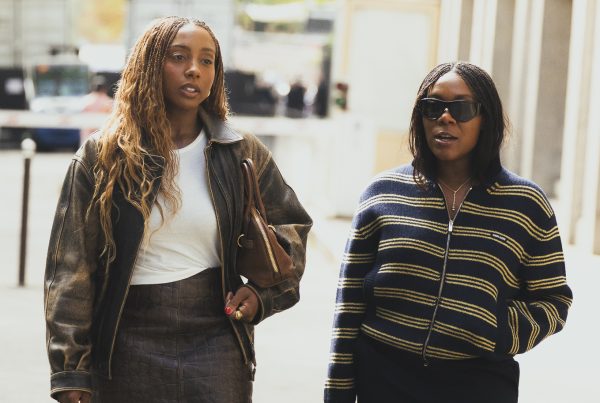



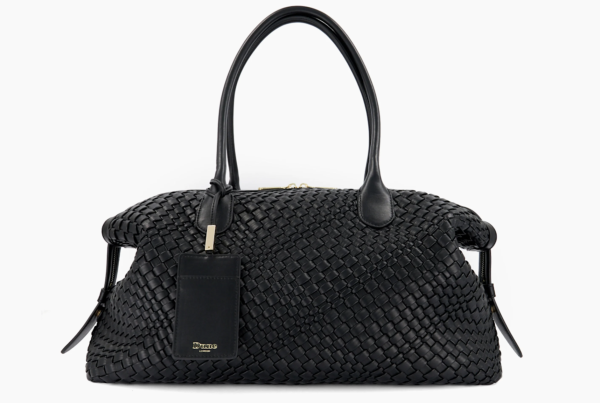
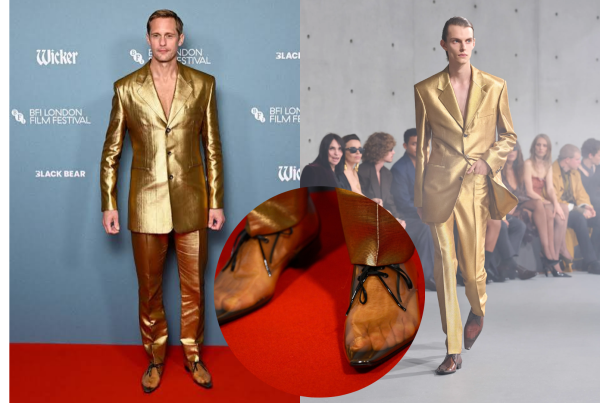

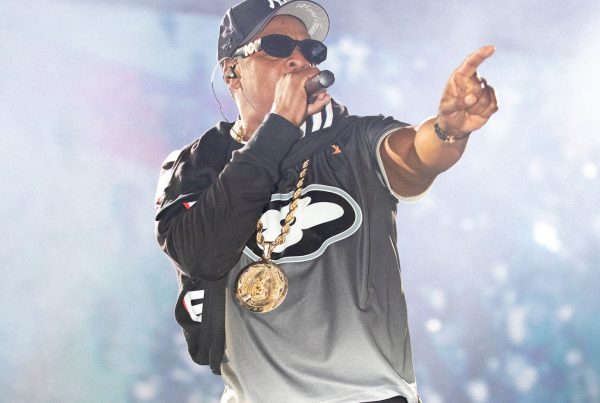
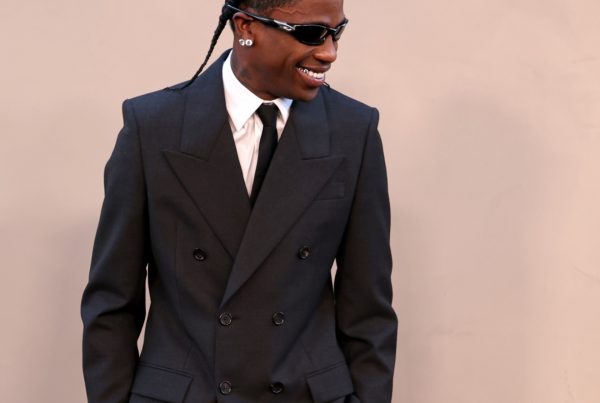
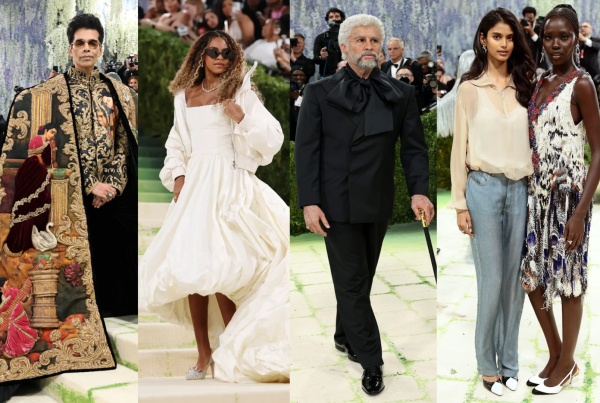
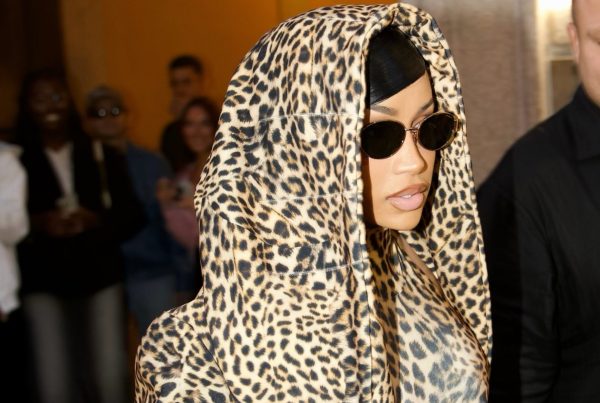



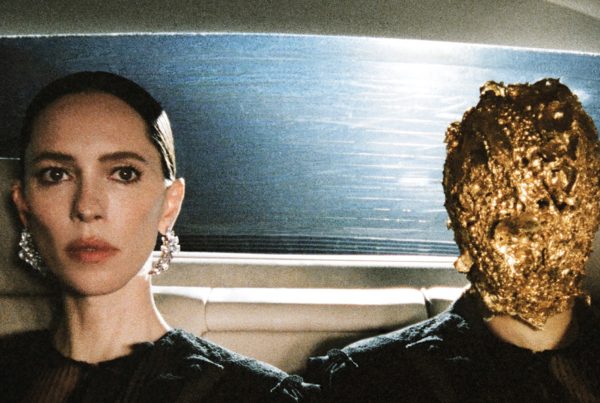



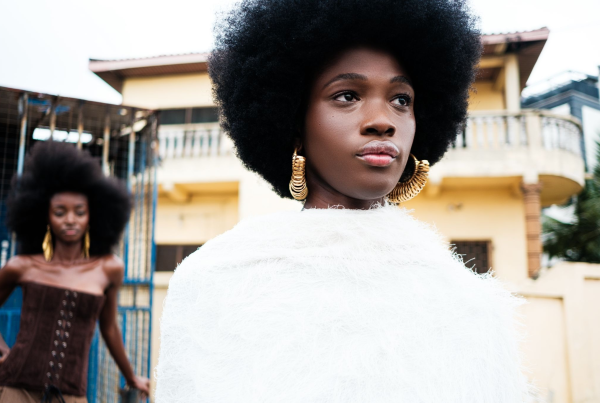












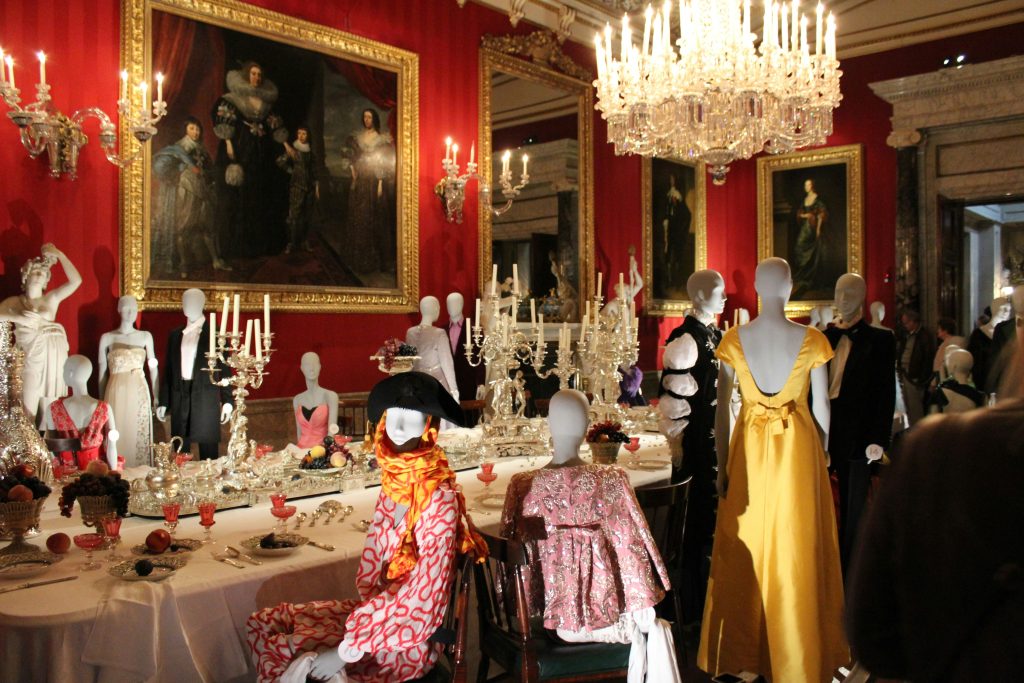
 The Met Gala has always been fashion’s loudest night, the one moment where Anna Wintour’s guest list, the Costume Institute theme and a red carpet’s worth of bespoke tailoring dominate every feed before the canapés have even been cleared. This time, though, the conversation drifted somewhere unexpected. Alongside the usual debate over who out-dressed whom on the steps, a quieter story emerged: a clutch of brands and designers used the occasion to launch crypto-tinged luxury experiences, from digital fashion drops to tokenised sneakers and blockchain-backed collectibles. The gala, in other words, became a launchpad for the next chapter of how streetwear and luxury sell exclusivity.
That shift towards digital-first leisure has a wider footprint than couture alone. As crypto wallets become as ordinary as a contactless card, the same tech now underpins a stretch of entertainment built for people who already think in digital assets — including Bitcoin casinos across the UK. These are independently reviewed gaming sites aimed at British adults who prefer to fund their downtime with Bitcoin and other cryptocurrencies, drawing players in with welcome bonuses, provably fair games and privacy-focused options that keep personal details to a minimum. For the same crowd flipping between digital fashion drops and tokenised art, they slot neatly into an evening’s entertainment, offering a familiar way to pay and a leisure experience designed around the assets they already hold.
When the Red Carpet Met the Blockchain
It is easy to forget how quickly fashion absorbs new ideas. A decade ago, the notion of buying a “garment” that exists only as a 3D render would have raised eyebrows on the steps of the Met. Now, houses experiment with digital twins of their headline looks — wearable skins, animated accessories, and limited collectibles that live in a phone rather than a wardrobe.
The gala accelerated all of it. Designers who had spent months on physical gowns released matching digital editions the same night, letting fans own a sliver of the spectacle without a six-figure budget. Streetwear, never one to miss a moment, leaned in hard. The logic is the same one that has powered hype culture for years, and the BBC explored exactly that in its piece on the business of scarcity. Limited numbers, timed releases, a countdown clock — Supreme built an empire on it, and the digital drop simply transplants that playbook onto the blockchain.
Digital Drops Borrow Streetwear’s Oldest Trick
Anyone who has ever set an alarm for a Supreme Thursday or refreshed a BAPE release page knows the ritual. The thrill is not only the product; it is the chase, the near-misses, the bragging rights of the W. Crypto-themed fashion has copied that energy wholesale.
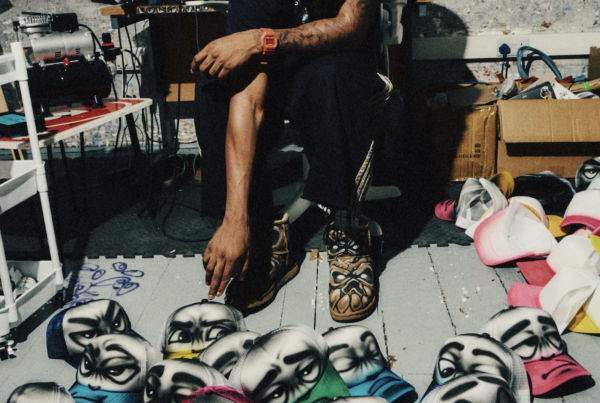
Tokenised sneakers are the clearest example. Imagine a Kith collaboration that ships with a digital certificate proving the pair is one of 200, transferable, verifiable, and impossible to fake. The shoe on your feet becomes both a physical object and a tradeable asset. That blend of identity and ownership runs deep in this corner of culture. Academic work on sneakerhead culture and brand preference has tracked how powerfully limited footwear shapes social identity among men, and the crypto layer only sharpens that signal. Owning the verifiable original now carries a status that a simple unboxing video never could.
How People Actually Spend the Evening Now
Strip away the catwalk gloss and a practical question remains: what does any of this mean for how someone unwinds on a Tuesday night? The honest answer is that leisure has quietly become more fluid. The same person scrolling a digital fashion drop after work might switch to a streaming series, browse a sneaker resale app, then dip into a crypto-funded game — all from the same handset, all paid for from the same wallet.
That fluidity is the real legacy of the gala moment. It normalised the idea that luxury and entertainment can be digital, instant, and crypto-native without losing their sense of occasion. Jacquemus might drop a virtual accessory; Celine might tease a tokenised lookbook; an entertainment site might offer a few rounds of provably fair gaming. To the user, it is one continuous evening of leisure, not a series of separate hobbies. The wallet stays open, the apps blur together, and the friction that once separated “shopping” from “playing” all but disappears.
The Culture Underneath the Hype
None of this would stick if the appetite were not already there. Streetwear and luxury have spent years training their audiences to value exclusivity, provenance and community, and crypto simply hands them sharper tools. A thoughtful study on the appeal of streetwear lays out how scarcity, identity and belonging drive the whole machine — and those are the precise levers blockchain pulls best. A digital drop is scarce by design. A token is provable by design. A community forms around both.
So when the Met Gala became a stage for crypto-themed experiences, it was less a reinvention than a logical next step. The night that obsesses over who wore what was always going to be the night that asked who owns what, and how.
A New Shape for Aspiration
For the reader trying to make sense of it all, the takeaway is refreshingly simple. The walls between fashion, collecting and entertainment are thinner than ever, and crypto is the mortar holding the new arrangement together. A great pair of trainers, a digital collectible, a relaxed hour of provably fair gaming — these now sit side by side in the modern leisure diet.
The gala lit the fuse, but the culture had been waiting. Aspiration has simply found new things to chase, and a faster, more private way to pay for the pleasure of the hunt.