





















Fashion is redefining our relationship with feet.
The beauty of fashion often lies in the unexpected, and it has always mirrored the cultural mood. As a society, we’ve become increasingly introspective and self-aware, and designers are responding by drawing closer to the body, embracing movement, vulnerability and the everyday. A clever marketing move, you may think? Perhaps…but after nearly a decade dominated by sneaker culture and hype-driven “it” pieces, fashion is quietly redefining what it can be, with our feet at the forefront of this shift.
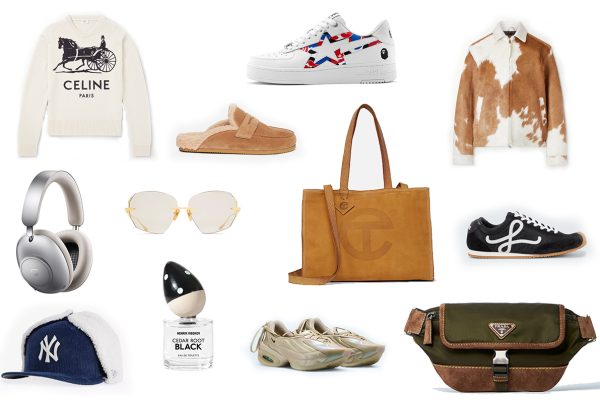
For years, shoes carried the weight of the look. Trainers especially became cultural and artistic objects in their own right. They were collected, traded, chased. They grew bigger, as did our collections, and they became more sculptural and more removed from the body that they sat on. In many ways, they stopped feeling like part of the outfit and started feeling like the point of it.
Fast forward to mid-2026, and that balance has already began to shift. Across recent collections, there is a softer approach emerging. There is less emphasis on the shoe as an object, and more attention on the foot itself.
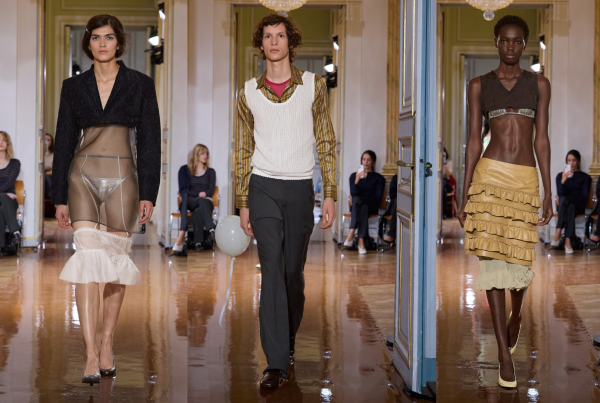
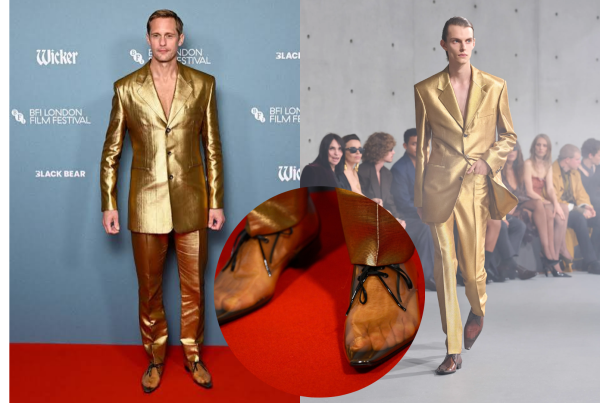
For Saint Laurent’s latest Spring/Summer 2027 showcase, this comes through quite literally. Transparent ankle boots and refined metallic finishes leave moments where the foot is no longer fully contained and instead, becomes part of the visual language of the look. The effect is subtle but striking, framing the foot and sometimes dissolving into it entirely depending on movement and light. There is a sense of exposure, but also control, as if the design is intentionally stepping back to let anatomy naturally take focus.
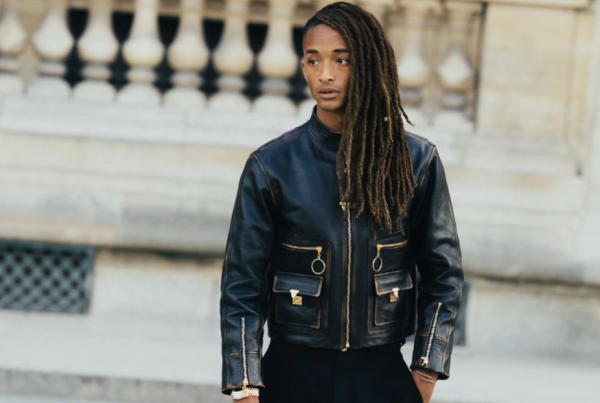
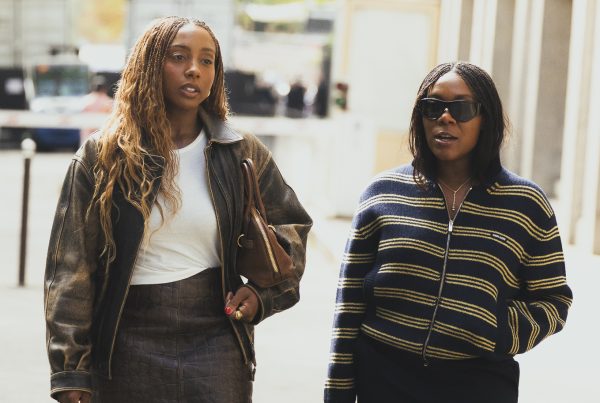
Elsewhere during fashion week, it felt as though designers were all reading from the same hymn book. Celine approached the shift with a different energy. Less conceptual, more instinctive. Sandals sat low and unforced, and loafers were worn with an ease that felt almost unstyled. The foot wasn’t exaggerated or highlighted, but there was a quiet confidence in that restraint.
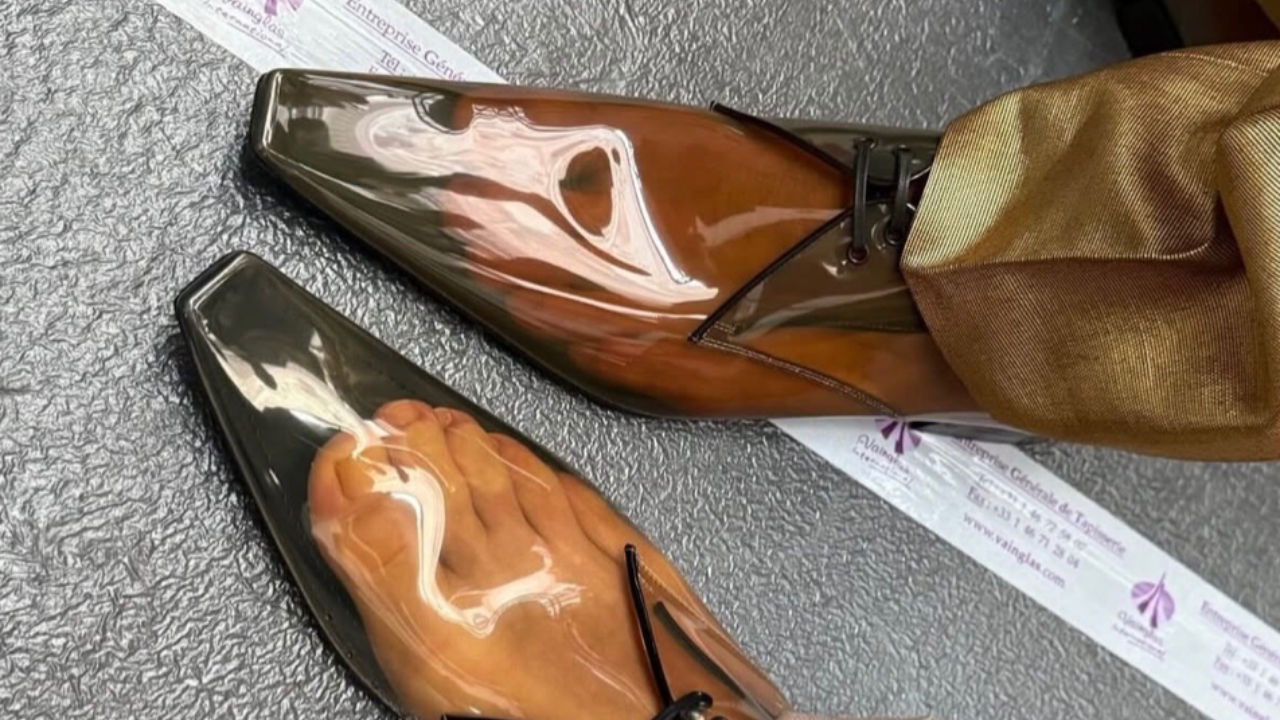
PHOTO CREDIT: Courtesy of Saint Laurent
Of course, this conversation isn’t something new. Fashion and feet have had a long-standing relationship across subcultures and traditions for years.
The earliest trace goes back to 15th century Japan, where the concept of split-toe footwear first emerged. Traditional tabi socks were designed with a separated big toe to be worn with thonged sandals like zōri and geta. It was a practical design rooted in movement, balance, and daily life rather than fashion as we understand it today.
By 1922, this idea evolved into something more functional and industrial. The introduction of the jika-tabi saw rubber soles added to the traditional split-toe sock, turning it into a durable outdoor work shoe. Worn by labourers and workers, it maintained the original anatomy-led design but grounded it in utility and endurance.
Much later, in 1988, the idea re-entered the language of fashion. Maison Margiela reintroduced the split-toe silhouette to Western design through the now-iconic Tabi boot.
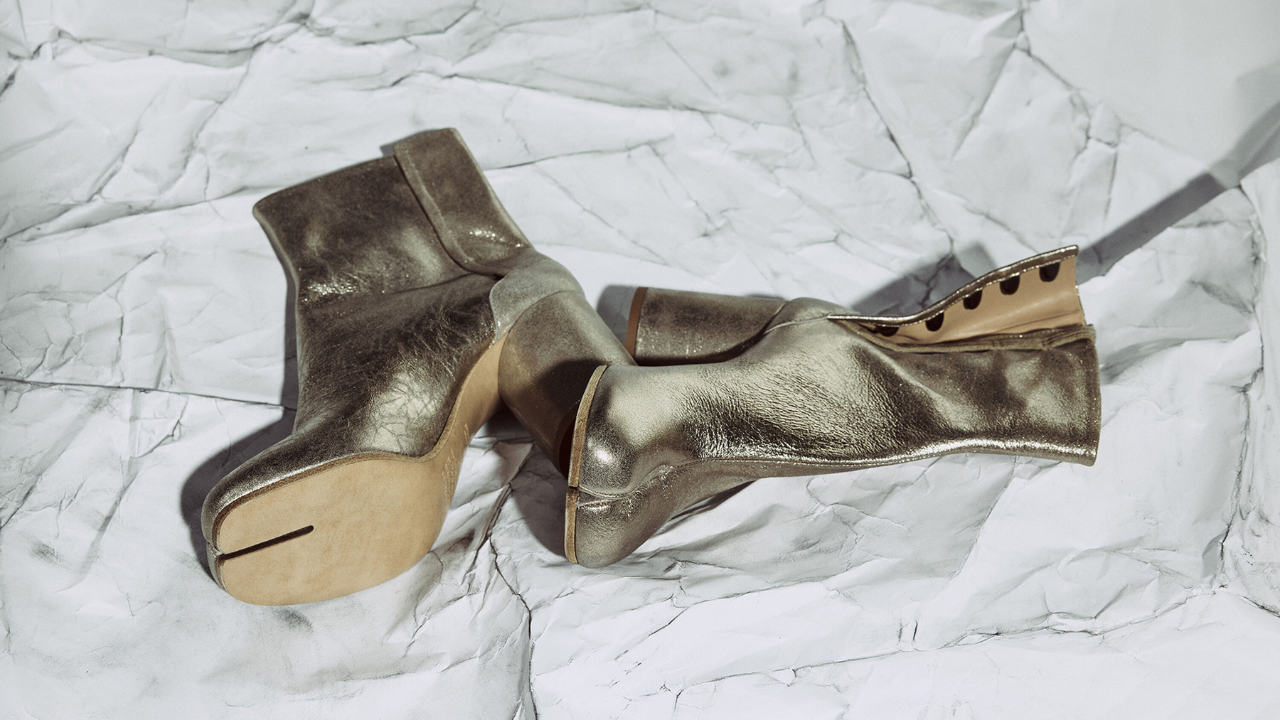
PHOTO CREDIT: maisonmargiela.com
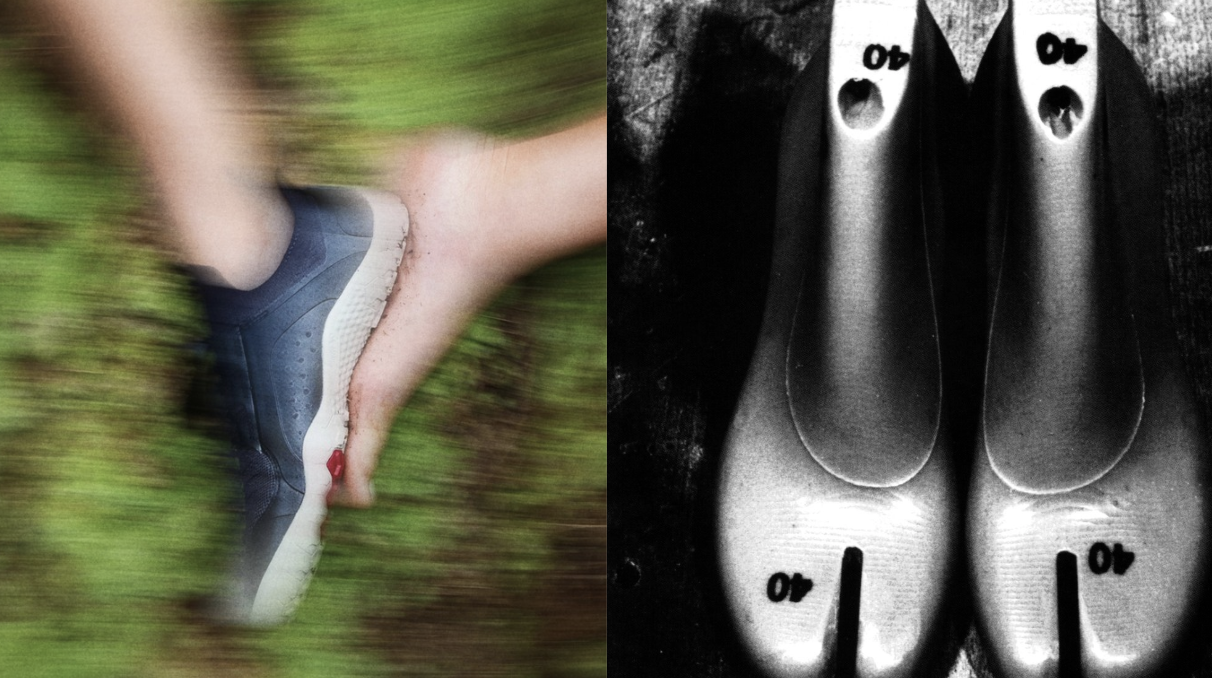
Then came the early 2000s, and the idea of the “natural foot” took a more literal turn with the introduction of minimalist barefoot-performance footwear. Most notably, Vibram’s FiveFingers design, launched commercially in 2005. Yes, each toe was individually articulated, pushing the idea of natural movement and barefoot mechanics into both performance and lifestyle culture. What had been symbolic in fashion became functional again (it’s a cycle).
From there, the conversation widened. Designers like Comme des Garçons and Yohji Yamamoto continued to challenge the structure of footwear more broadly, pushing against convention and reshaping how shoes interact with the body. So, by the 2010s and onwards, the language of footwear began to split in two directions. On one side, Balenciaga amplified proportion and distortion (think Balenciaga Triple S), turning shoes into exaggerated sculptural forms. On the other, Yeezy (think Yeezy Foam Runners) stripped things back, flattening silhouettes into something closer to the body than the traditional idea of footwear.
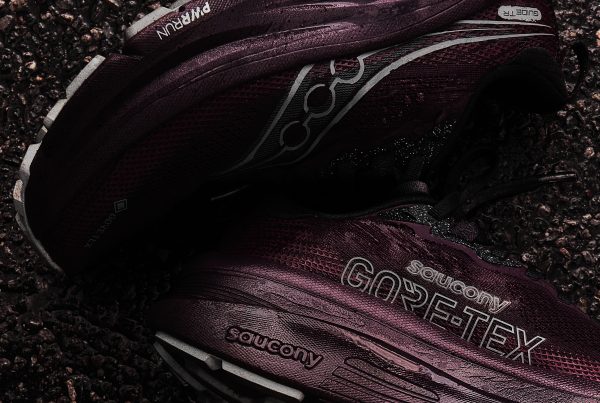
And now, with luxury houses encouraging a closer relationship to the body, the same idea is beginning to surface in more commercial spaces too. Pharrell Williams’ work with adidas, particularly his ongoing reinterpretations of archival outdoor silhouettes like the VIRGINIA Watermoc, leans into this balance between function and exposure.
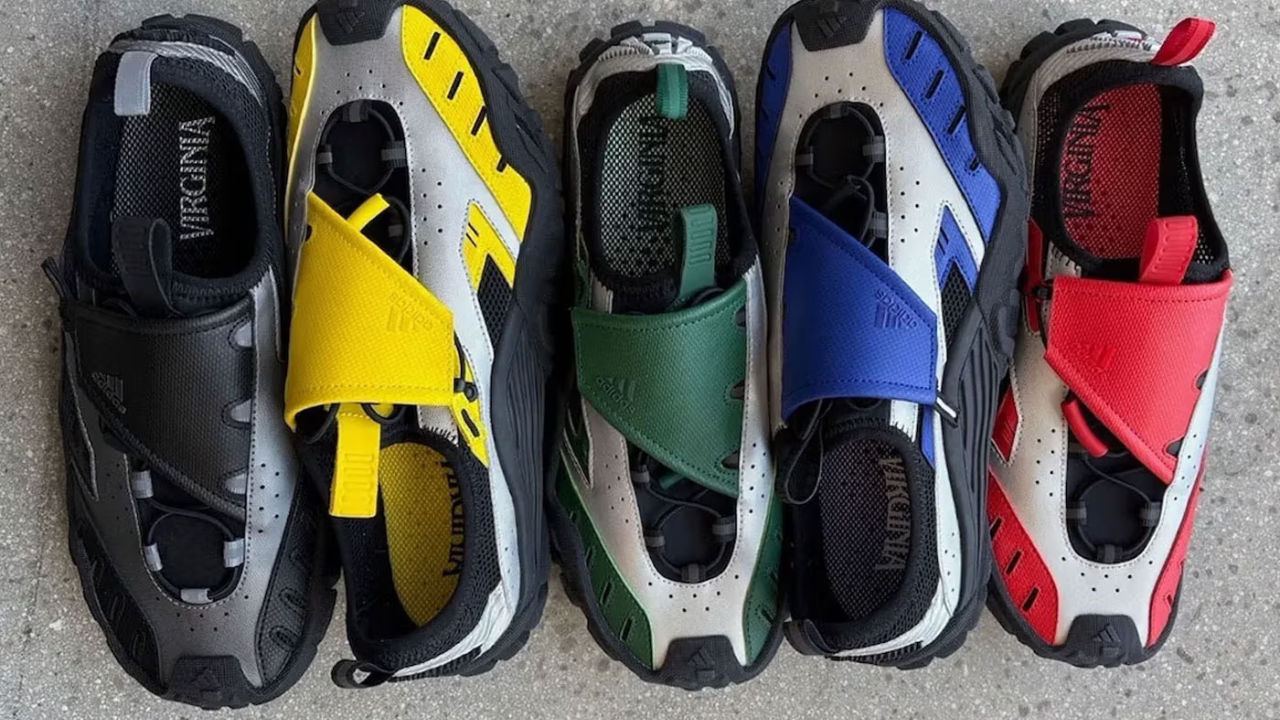
PHOTO CREDIT: @skateboard
So, by taking the above points into consideration, is this a shift or a return? Fashion has moved around this idea before, but what feels different now is the pace and approach, moving with the times – fashion is slower, more considered and more observational. Footwear, in this context, has become a clear indicator of that change.
What was once used to project identity outward, feels less declarative, moving in sync with the body and its natural simplicity. After all, they do say the feet are the masterpiece of engineering, the anchor that connects us to the earth, and the literal means by which we steer our lives forward. The foot may be fashion’s latest fixation, but its fascination with the body has always been there.